

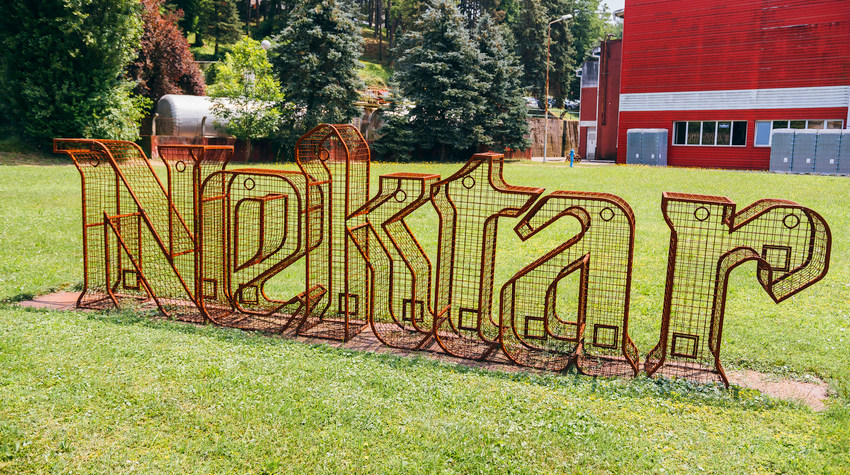
The Banja Luka Brewery is emerging as one of the most recognizable tourist destinations in the largest city of Republika Srpska, a trend confirmed by the fact that more than 1,000 visitors from various parts of the world toured the brewery over the past year.
With a tradition spanning more than 152 years, the brewery attracts the largest number of visitors from the region—particularly Slovenia—as well as from Austria, Sweden, the United Kingdom, China, Serbia, and Bosnia and Herzegovina. During guided tours, visitors learn about the rich history of the Trappist monks who, as early as the 19th century, launched beer production and other crafts, leaving a strong mark on the city’s economic and cultural development.
“Our aim is to offer visitors an authentic experience by introducing them to the history and the production process of Nektar beer, including a tasting of fresh beer straight from the fermenters. We want everyone who visits the brewery to feel the atmosphere of one of the oldest breweries in the region. The growing interest shows that we are recognized as an attractive tourist destination,” said Andrea Lizdek, marketing manager of the Banja Luka Brewery.
The Tourist Organization of Banja Luka notes that such tours of local producers strengthen the city’s tourism offer and further promote the Nektar beer brand, adding that visitors particularly value the rich history and heritage of the Trappists.
“During visits to the brewery, guests are often fascinated by how rich Trappist history is and by the extent to which their work shaped not only the spiritual, but also the economic and cultural life of Banja Luka,” said Minja Šurlan, director of the Tourist Organization of the City of Banja Luka.
The Banja Luka Brewery has operated continuously since 1873, when Trappist monks from the Mariastern Abbey (Marija Zvijezda), led by Father Franz Pfanner, began brewing beer. Today, the brewery stands as a symbol of tradition, quality, and continuity, with tours concluding in a beer tasting—often the highlight of the visit for many guests.
Source: See Srpska