

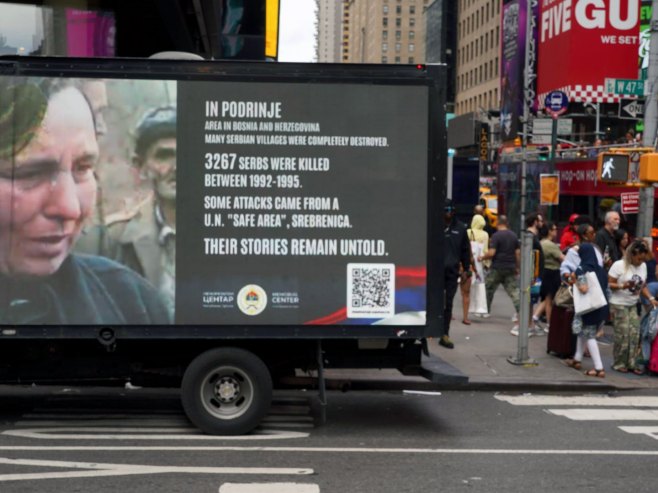
The story of the suffering of the Serb people in the 20th century is being presented in the United States for the first time through a major international multimedia campaign. The Memorial Center of Republika Srpska has launched the global campaign “Learn About Serb Suffering” in downtown New York, featuring a traveling multimedia exhibition presenting documented information on the suffering of the Serb people. The campaign marks a significant step in bringing greater international attention to the wars of the last century and the sacrifices made by the Serb people in their struggle for freedom.
Over the course of two days, millions of New Yorkers and visitors to the city will have the opportunity to learn about the suffering of the Serb people, from the First World War, through the Ustaše genocide in the Independent State of Croatia (NDH), to crimes committed against Serbs during the wars of the 1990s in the former Yugoslavia.
“The screens present information on the suffering of Serbs in Republika Srpska and Bosnia and Herzegovina, including documented facts about Serb victims in Podrinje and Sarajevo, detention camps for Serbs, murdered children, mass graves, missing persons, the ethnic cleansing of Serbs from the Republic of Croatia, as well as the killing and abduction of Serbs in Kosovo and Metohija and Serb victims of the NATO bombing campaign,” said Denis Bojić, Director of the Memorial Center of Republika Srpska.
The exhibition places particular emphasis on the suffering of Serbs during the 1992–1995 war in Bosnia and Herzegovina. According to the organizers, some of the most extensive crimes against Serbs in that period were committed in the Middle Podrinje and Birač regions.
“This is an important step that will show the world what happened in this region. As you know, around 3,267 civilians and soldiers were killed in Podrinje. Relative to the population, that is an enormous number,” said Željko Lazić, President of the Presidency of the Bratunac Veterans’ Organization.
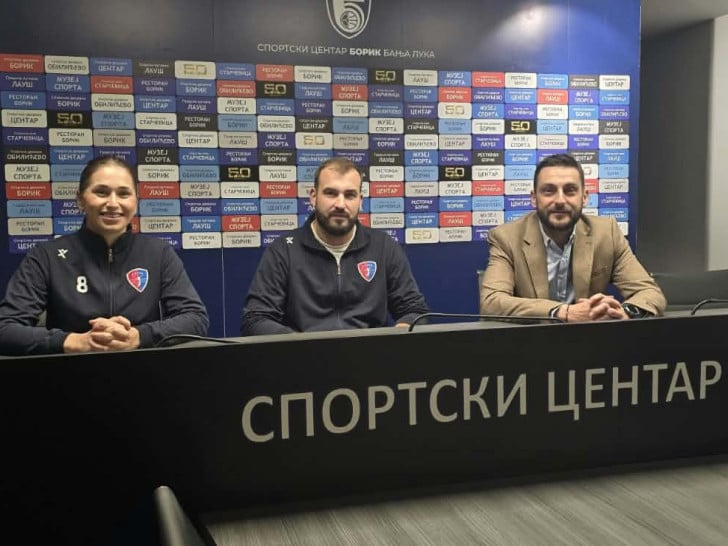
Radojka Filipović, President of the Bratunac Organization of Families of Fallen Soldiers, said that the suffering of Serb children remains the greatest tragedy.
“In every respect, the focus should be placed on the Serb children. This is an opportunity for the truth about Serb victims to be heard, documented, and incorporated into the world’s culture of remembrance, because there can be no world history without the history of the Serb people,” she said.
Given that, according to the organizers, Serb victims have been marginalized for more than three decades and that the suffering of the Serb people has not received adequate international recognition, holding the campaign in one of the world’s leading cities carries particular significance.
“It is not enough that we know here what happened. It is equally important that the truth about the suffering of innocent Serb victims reaches the world, especially the stories of children, women, and the elderly,” said Isidora Graorac, President of the Republika Srpska Organization of Families of Captured and Fallen Soldiers and Missing Civilians.
Radan Ostojić, Minister of Labor and Veterans’ and Disabled Persons’ Protection of Republika Srpska, said that it is necessary to present these facts to the international public.
“We need to bring the truth to ordinary people, to citizens in America, Europe, and around the world. Those who lead states know what the truth is and know about the suffering of the Serb people, but they are trying to conceal it,” Ostojić said.
Officials in Republika Srpska said the campaign is intended to present, in a systematic and institutional manner, the historical experiences of the Serb people throughout the 20th century, arguing that changing geopolitical circumstances are also changing perceptions of the conflicts in the former Yugoslavia.
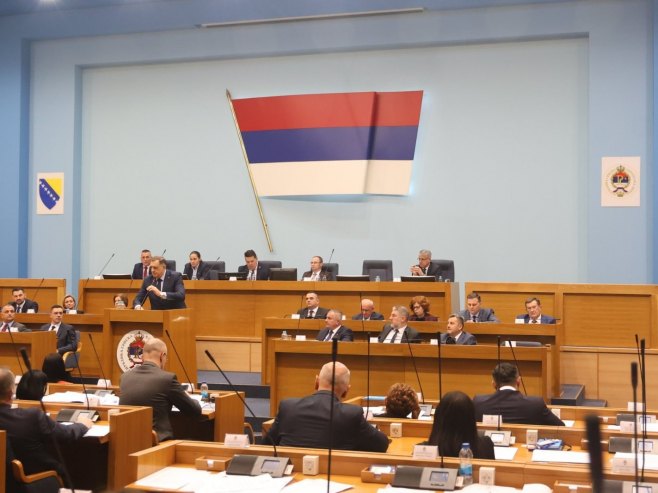
“Our national awareness is at its highest level in the last 50 or 60 years. Republika Srpska has played a major role in ensuring that this truth is now being presented in places such as London and New York,” said Nenad Stevandić, Speaker of the National Assembly of Republika Srpska.
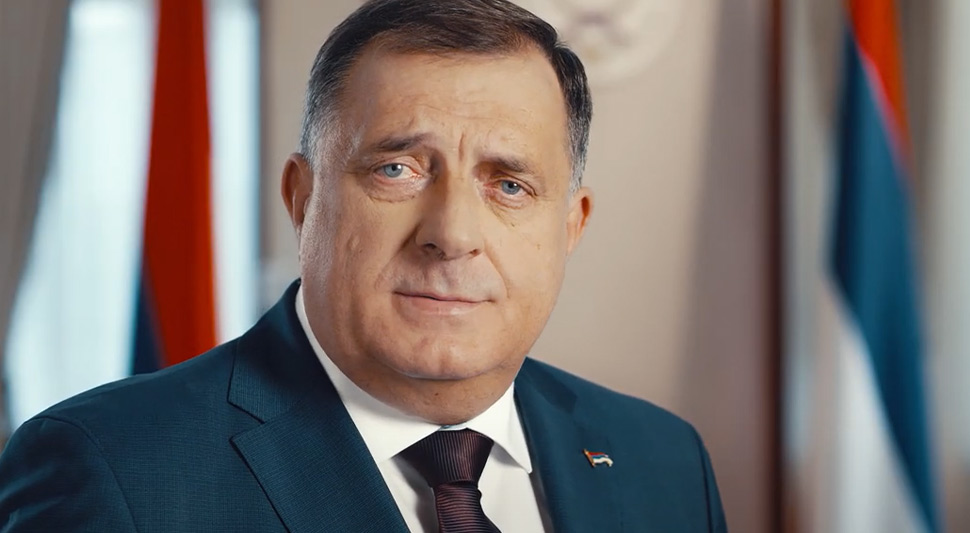
President Milorad Dodik said that Serbs had historically been prevented from presenting their own suffering.
“It is a historical fact that we were not allowed to present our suffering, and whenever we managed to do so, people turned their heads away. Today the situation is different, including in the United States, where the prevailing narrative is the protection of Christian values and the preservation of Christianity. In that environment, I believe this presentation will have much greater impact,” Dodik said.
The “Learn About Serb Suffering” campaign also marks the first international presentation of the Memorial Center of Republika Srpska’s digital archive of testimonies and historical documents. Campaign materials are being displayed at some of New York’s most prominent locations, including the area in front of the United Nations headquarters, where nearly four million people pass through each day.
Source: RTRS