


Controversies and allegations of procedural irregularities continue to surround the Commission to Preserve National Monuments in Bosnia and Herzegovina.
According to officials from Republika Srpska, Denis Bećirović not only attempted to submit a decision appointing new members of the Commission despite a veto by the Serb member of the Presidency, which they argue rendered the decision legally void, but had also previously contacted UNESCO seeking the nomination of two international members.
Documents made public, according to the report, indicate that Bećirović did not communicate directly with the Director-General of UNESCO and that the proposed appointment of international members has become another source of dispute surrounding the process.
Using his position as Chair of the Presidency, Bećirović reportedly sent a request in April to the Director-General of UNESCO, without the knowledge of the other two members of the Presidency, asking for the nomination of two international members of the Commission.
According to the report, UNESCO did not proceed with the request until it received assurances that the Commission would operate strictly within its mandate, noting concerns that in previous years it had addressed issues beyond its competencies, including planning and construction matters. Republika Srpska officials claim that Bećirović later provided those assurances, again without informing the other members of the Presidency.
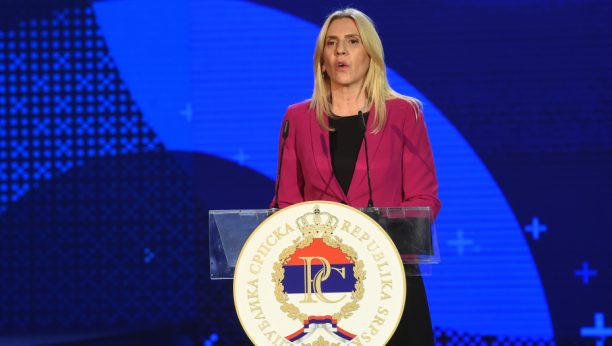
Serb member of the Presidency Željka Cvijanović stated that, despite these efforts, Bećirović never established direct communication with the Director-General of UNESCO.
“Regardless of all the attempts and abuses, Bećirović never established interaction with the Director-General of UNESCO. This is confirmed by the fact that, contrary to the provisions of Annex 8, the proposal for the international members was submitted not by the Director-General of UNESCO, but by the head of UNESCO’s office in Bosnia and Herzegovina,” Cvijanović said.
According to the documents, the proposal nominating Italian Francesco Bandarin and Kenyan George Okello Abungu as international members of the Commission was signed by Siniša Šešum, Head of UNESCO’s Office in Bosnia and Herzegovina.
Ambassador and Head of Bosnia and Herzegovina’s Mission to the European Union Obrad Kesić described the case as a diplomatic scandal and questioned UNESCO’s role in the process.
“This raises questions about UNESCO’s role. Who authorized this letter to be sent to the Presidency? Were UNESCO headquarters and the Director-General even informed? If not, then UNESCO should conduct an internal investigation and take appropriate measures against those who violated fundamental diplomatic rules,” Kesić said.
According to the report, Republika Srpska obtained information about Bećirović’s correspondence with UNESCO directly from the organization’s headquarters in Paris rather than through the Presidency itself, which legal experts cited in the report argue represents another violation of constitutional procedures.
Legal expert Ognjen Tadić stated that the case demonstrates that those who most frequently portray themselves as defenders of Bosnia and Herzegovina are, in his view, damaging the country’s institutional credibility and sovereignty.
Officials from Republika Srpska argue that the developments further demonstrate that the procedure was not conducted in accordance with established rules and maintain that they are prepared to respond to what they describe as future attempts to undermine the constitutional order of Bosnia and Herzegovina.
Source: RTRS
 "“The Constitutional Court of Bosnia and Herzegovina now lacks Serb judges.")