
The decision by the Bosniak and Croat members of the Presidency of Bosnia and Herzegovina to reject the inclusion of a proposal to designate the “Muslim Brotherhood” as a terrorist organization has once again raised questions about how BiH institutions approach security issues of a global nature.
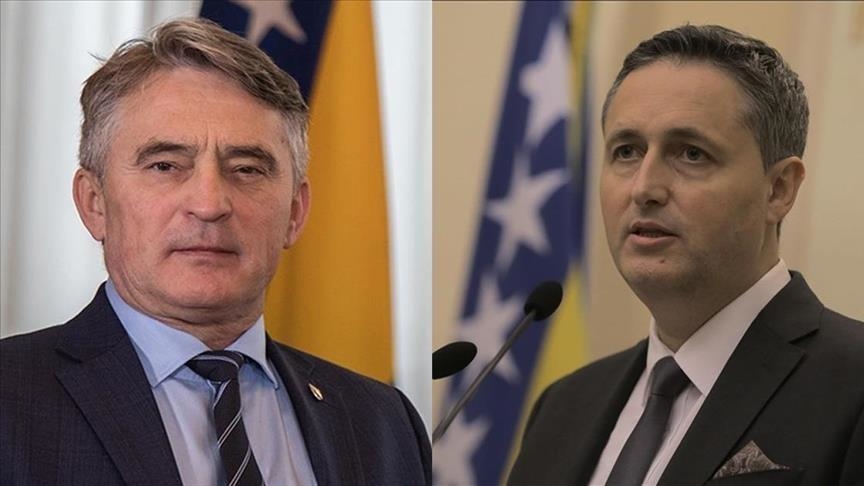
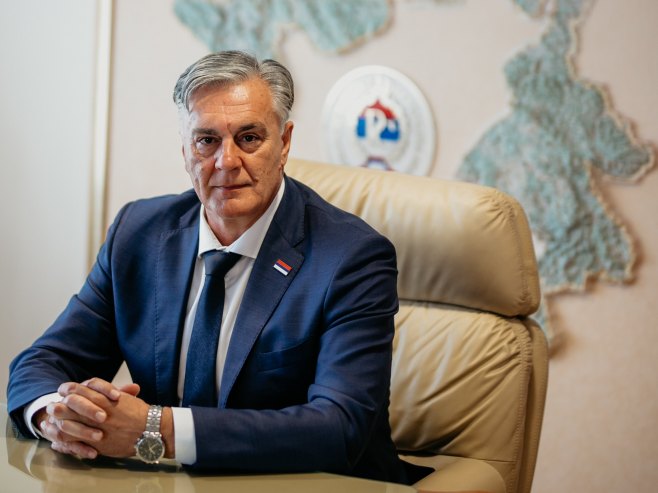
The Serb member of the Presidency, Željka Cvijanović, announced that she would reintroduce the same proposal, emphasizing that it is a matter requiring institutional debate. It should be recalled that certain branches of the “Muslim Brotherhood” have already been designated as terrorist organizations in the United States, and that the process of broader designation was initiated during the administration of Donald Trump.
However, alongside the institutional refusal to open this issue, messages emerging from the public sphere point to strong ideological positioning.
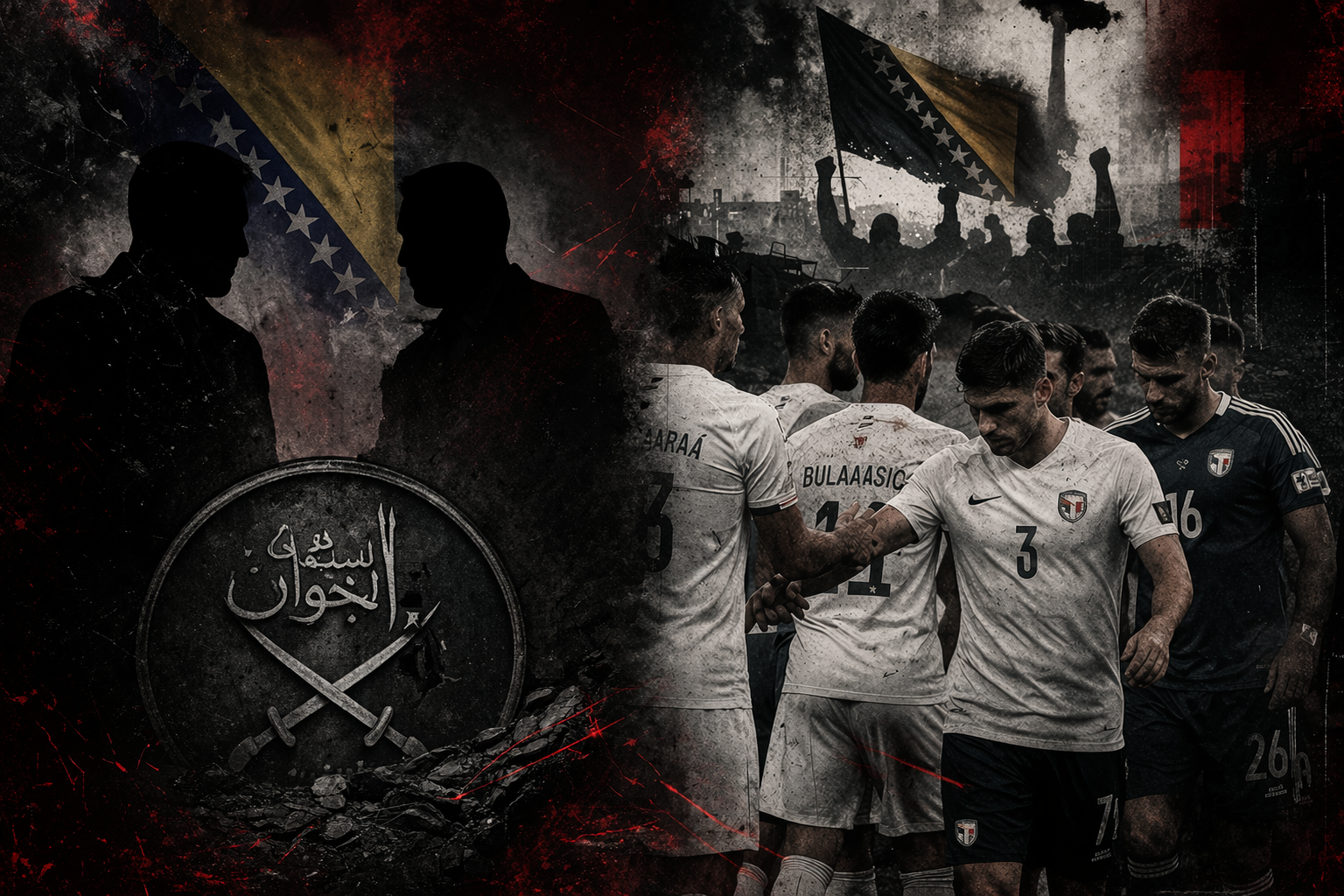
During a match between the youth national teams of Bosnia and Herzegovina and Israel, some players refused the customary sporting gesture of greeting the opposing team. Following the incident, team captain Muhamed Buljubašić publicly addressed the situation, stating that his action represented a stance of “truth and justice,” and that he would not “bow down” to those he perceives as responsible for injustice in the world.
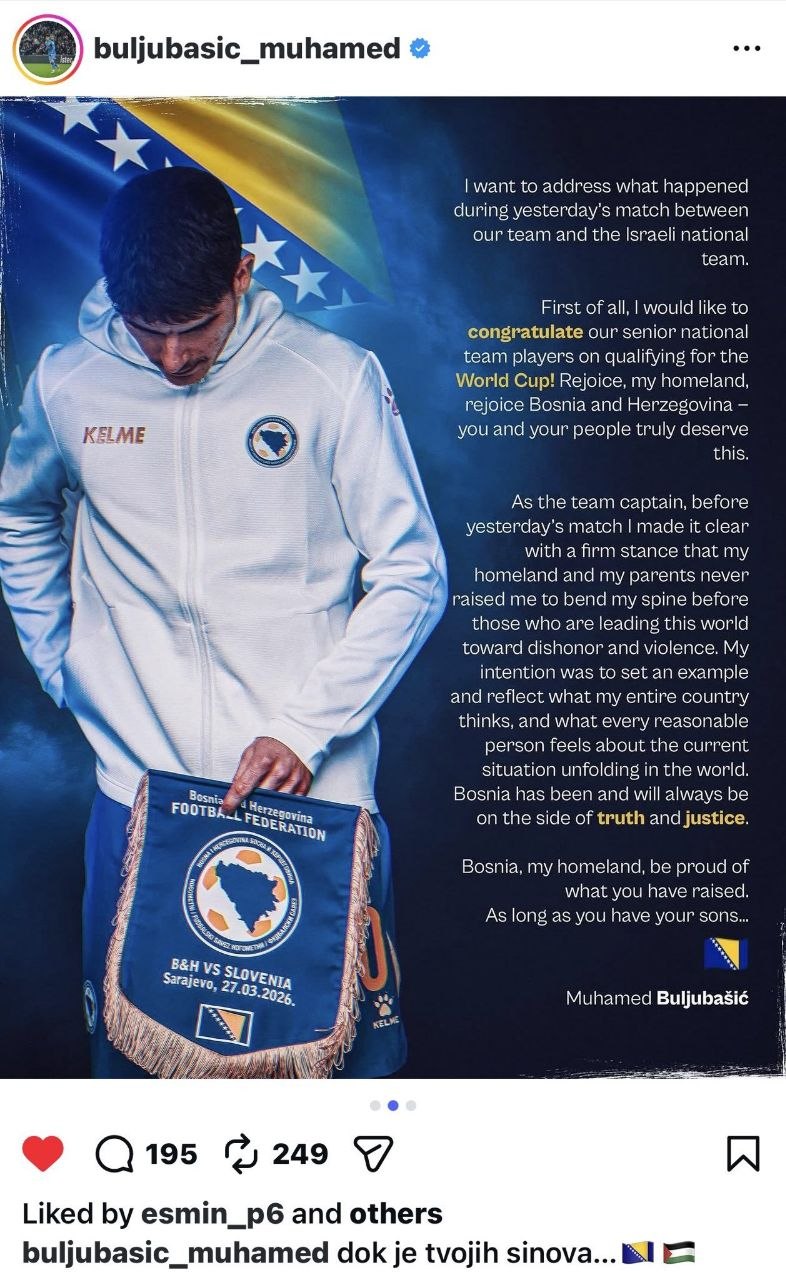
In his statement, Buljubašić went a step further, claiming that his position reflects what “the entire country thinks,” thereby transforming an individual act into a broader political message.
Viewed in a wider context, these two developments—the institutional refusal to discuss a globally controversial organization and the simultaneous public expression of strong political views in sport—suggest a certain inconsistency in approach.
While institutions avoid opening security-related issues with an international dimension, the public space increasingly tolerates, and at times even encourages, expressions of political and ideological alignment, even in areas that should, by their nature, remain outside such divisions.
The question remains whether these are spontaneous occurrences or part of a broader social framework in which certain topics are systematically marginalized, while others are promoted through different channels.
In any case, it is clear that the line between politics, security, and social messaging in Bosnia and Herzegovina is becoming increasingly blurred.