
Since no agreement was reached on a candidate, the Peace Implementation Council has appointed Louis Crishock as acting High Representative in Bosnia and Herzegovina, with a new deadline for agreement set for 14 July. The question now is whether the appointment of an acting High Representative represents a transitional phase towards the eventual closure of the Office of the High Representative.
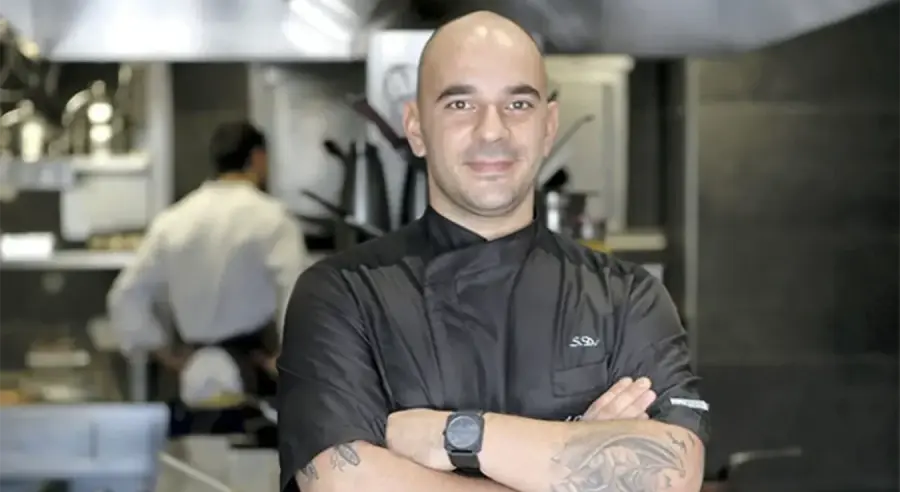
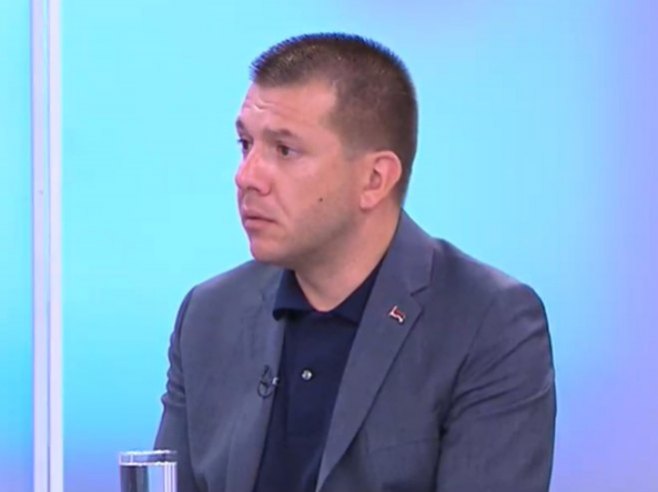
Bojan Šolaja of the Centre for International and Security Studies said that the process should move in the direction of making any future appointment, if one happens at all, a transitional phase after which Bosnia and Herzegovina would begin taking care of itself.
“I think room is being sought for an agreement. Although confirmation of the appointment of a High Representative must take place in the UN Security Council, at least a line has been drawn under Christian Schmidt’s non-existent legitimacy and legality,” Šolaja said on RTRS’s Morning Programme.
He added that any appointment must take place in accordance with the Dayton Peace Agreement.
“That means the UN Security Council. Republika Srpska’s position is clear: the departure of the OHR and the abolition of the Bonn powers. Anything else would be a political message that Bosnia and Herzegovina cannot move forward,” Šolaja said.
Šolaja also said that a shift in the approach towards Bosnia and Herzegovina is visible, particularly on the part of the United States.
“The United States is no longer a factor that will interfere, but is insisting that an agreement must be reached between the two entities and the three constituent peoples. The EU does not agree with the United States, because it wants to be the one with influence, which is contradictory. The EU itself says that Bosnia and Herzegovina cannot join the EU while the OHR exists,” Šolaja said.
He added that the United States had moved in the direction of seeking an agreement with the EU.
“But the very division of positions within the PIC also speaks to the broader state of relations between the United States and the EU. What matters for us is that all of this is, at least to some extent, returning to legal channels. They are looking for someone who would be acceptable to everyone in Bosnia and Herzegovina,” Šolaja concluded.
Source: RTRS