



A commemoration and wreath-laying in Dobrovoljačka Street marking the anniversary of the killing of JNA soldiers was followed, just hours later, by the removal of flowers placed by a delegation from Republika Srpska.
At the same time, hate speech incidents continued to escalate in the public space—from stadium chants to statements and social media posts.
During a football match at Koševo Stadium in Sarajevo, chants calling for violence against Serbs were heard from the stands. No judicial institutions have issued a response so far, prompting condemnation from political representatives of Republika Srpska.
Delegate to the House of Peoples of the Parliamentary Assembly of Bosnia and Herzegovina Radovan Kovačević condemned the incident, describing it as unacceptable.
A similar message came from veterans’ associations in Jajce, who opposed the awarding of a scholarship to a student because the funding came from the municipality of Jezero in Republika Srpska.
Mayor of Jezero Snežana Ružičić filed a report with SIPA, citing threats and hate speech directed at her and the local community.
“Today I submitted a report to the investigative authorities regarding hate speech by individuals linked to veterans’ associations from the Federation of Bosnia and Herzegovina,” she said.
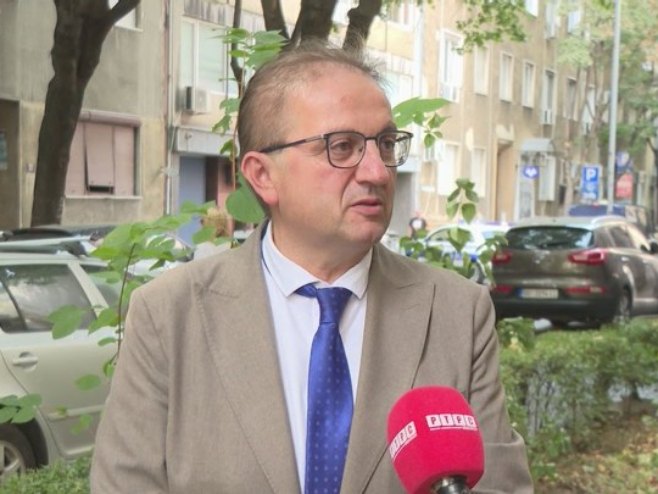
Legal experts warn that such actions may constitute a criminal offense. Attorney Milan Petković stated that the case contains elements of inciting national, racial, and religious hatred and should be investigated by the Prosecutor’s Office.
Human rights ombudsman Nevenko Vranješ noted a growing trend, highlighting that discrimination cases increased by 60% in 2025, along with a rise in digital violence and hate speech. He also pointed out that over 70 attacks on returnee populations have been recorded in the Federation of Bosnia and Herzegovina.
The developments underline growing concerns that hate speech—from stadiums to public discourse—is becoming normalized, with potential consequences if institutions fail to respond.
Source: RTRS