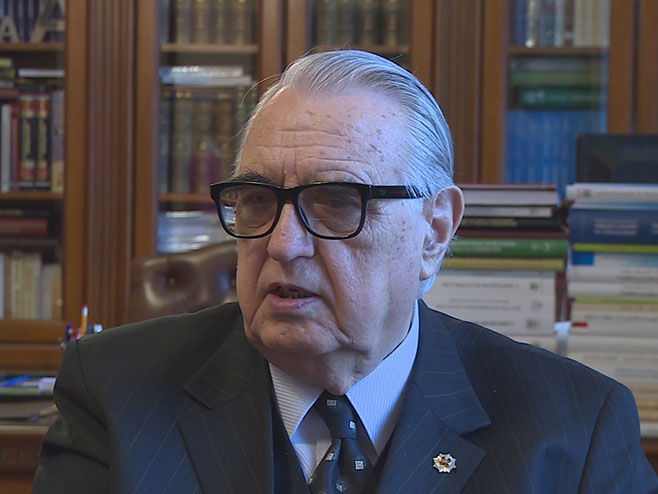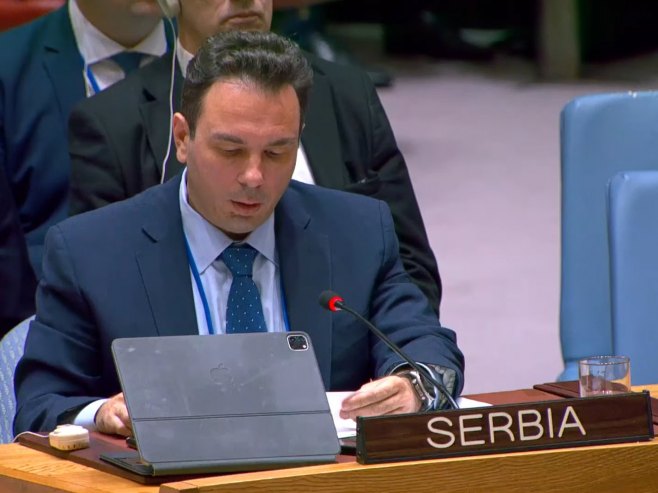



Authorities in BiH should be constituted and begin functioning following the elections, according to Miloš Šolaja, a professor at the Faculty of Political Sciences in Banja Luka, who emphasized that the latest United Nations Security Council session highlighted the importance of strengthening domestic institutions and political responsibility.
Speaking to the SRNA news agency, Šolaja pointed to what he described as the Security Council’s conclusion that the elections in BiH had been conducted peacefully and successfully in a democratic atmosphere.
“The Security Council session represents one of the key turning points and provides considerable guidance on the direction in which BiH should develop and how it should function based on its own internal foundations,” Šolaja stated.
Šolaja calls for an end to international political supervision
Šolaja argued that the Security Council discussions reflected a shared position that the High Representative should leave BiH.
He also called for the termination of the Office of the High Representative (OHR), maintaining that the office itself is not established by the Dayton Peace Agreement.
“In this way, all activities of the Office of the High Representative, which does not exist in the Dayton Peace Agreement, should cease, while the Peace Implementation Council no longer serves any purpose or objective,” Šolaja emphasized.
US and Russia emphasize domestic political responsibility
Commenting on the positions expressed by international representatives, Šolaja said the United States had reaffirmed its earlier approach of avoiding interference in the internal political development of countries.
According to him, Washington’s position is that domestic institutions should assume responsibility for their own political and institutional development.
Šolaja also noted that Russia expressed support for the report submitted by the Government of Republika Srpska.
He described the Security Council session as an important indication that BiH’s future institutional development should rest on its elected representatives and domestic political structures.
Source: RTRS