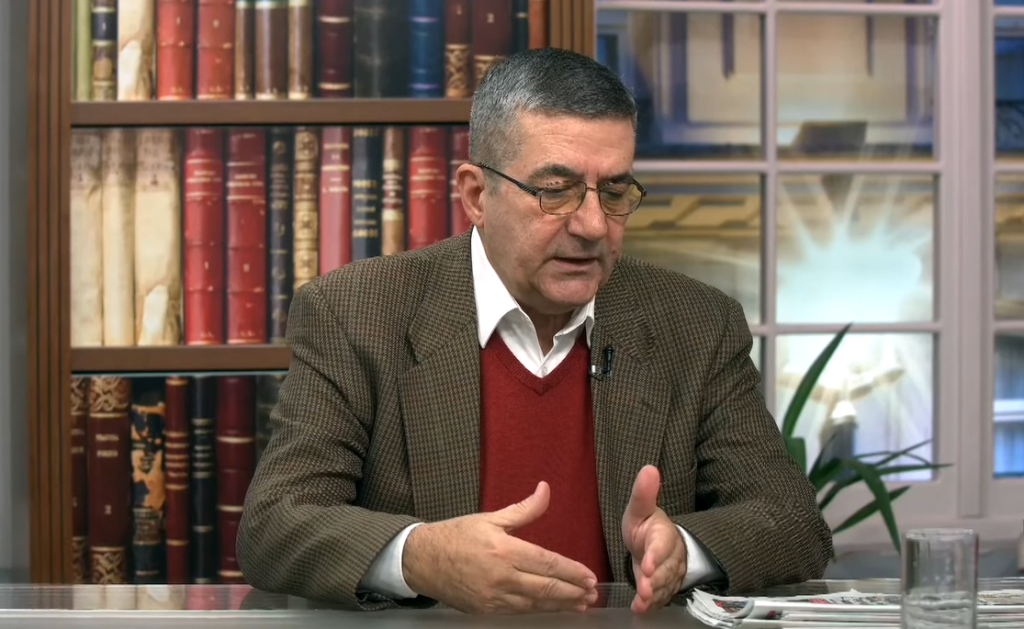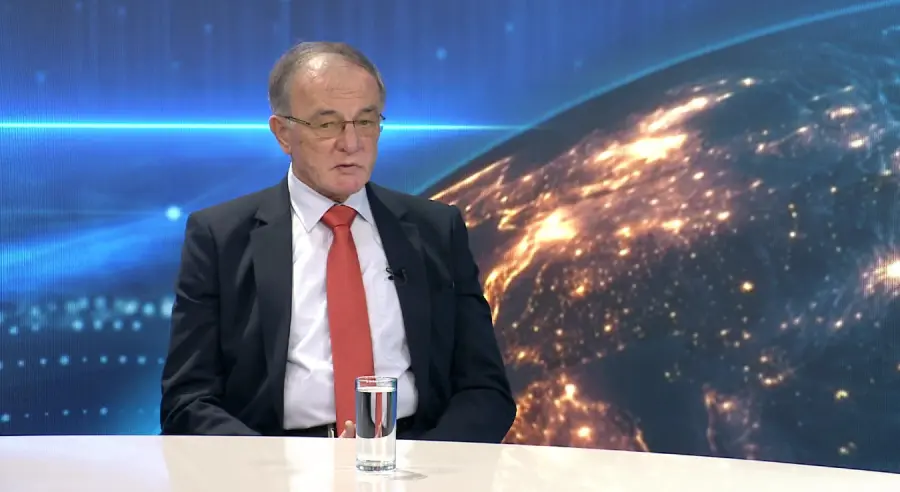


Professor Radomir Lukić has said that peace and the preservation of Bosnia and Herzegovina within its internationally recognized borders are the greatest achievements of the Dayton Peace Agreement, 31 years after it was initialed.
Speaking on ATV’s central news program, Lukić emphasized that the agreement’s most important legacy is the peace that has endured for more than three decades following over three years of war, suffering and hardship.
Peace remains Dayton’s most important legacy
“I believe the greatest achievement is peace. The second achievement is peace. The third achievement is peace,” Lukić stated.
He stressed that the importance of peace should never be underestimated, particularly given the suffering experienced during the war in BiH.
“If someone does not value peace, then there is seriously something wrong with that person, and they should ask themselves what is happening to them. Other people and institutions should also ask that question,” he said.
According to Lukić, the fourth major achievement of the agreement was the preservation of BiH as a state.
He explained that maintaining BiH’s international legal status was a firm objective of Western political powers, while its internal constitutional structure was designed to accommodate the country’s complex political circumstances.
Different perspectives on the Dayton Agreement
Lukić argued that none of the three constituent peoples is entirely satisfied with the Dayton settlement.
He claimed that Bosniak political aspirations continue to include the vision of Bosnia as a predominantly Bosniak state.
Regarding Croats, he expressed the view that their position within the Federation of BiH has become particularly difficult.
By contrast, Lukić described Republika Srpska as the only party genuinely satisfied with the original Dayton constitutional arrangement.
He argued that developments following the signing of the agreement had significantly reduced Republika Srpska’s original competencies.
However, he maintained that the process of transferring powers away from Republika Srpska had reached its limits.
Republika Srpska has the capacity to govern itself
Lukić emphasized that Republika Srpska possesses the institutional, political and intellectual resources necessary to protect its interests and determine its position within BiH.
“Republika Srpska, through its population, its people and its political organization, possesses every kind of intellectual, political and institutional capacity to take care of itself and find its place within Bosnia and Herzegovina,” he said.
He argued that Republika Srpska’s constitutional position should be respected in accordance with the principles established by the Dayton Peace Agreement.
Lukić criticizes Constitutional Court of BiH
Addressing current constitutional disputes, Lukić identified the Constitutional Court of BiH as what he considers the greatest obstacle to preserving the original Dayton framework.
He accused the Court of continuing practices previously associated with international high representatives, including what he described as the arbitrary assumption of powers, changes to constitutional arrangements and the removal of competencies from Republika Srpska.
Lukić concluded that the preservation of peace remains the agreement’s most significant achievement, while respect for the constitutional balance established at Dayton continues to be central to BiH’s political future.
Source: Atv