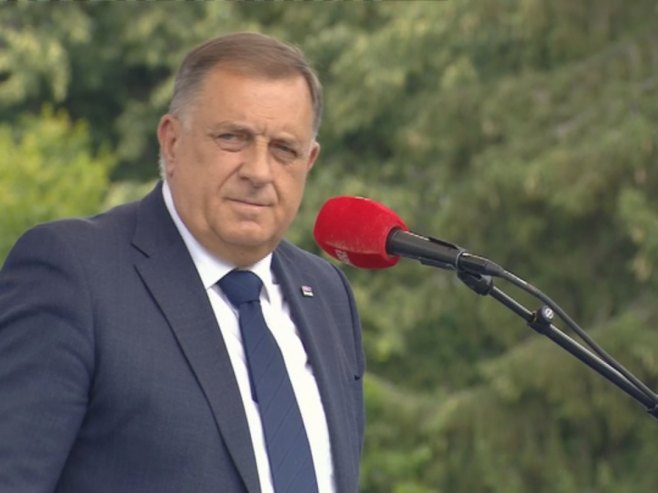

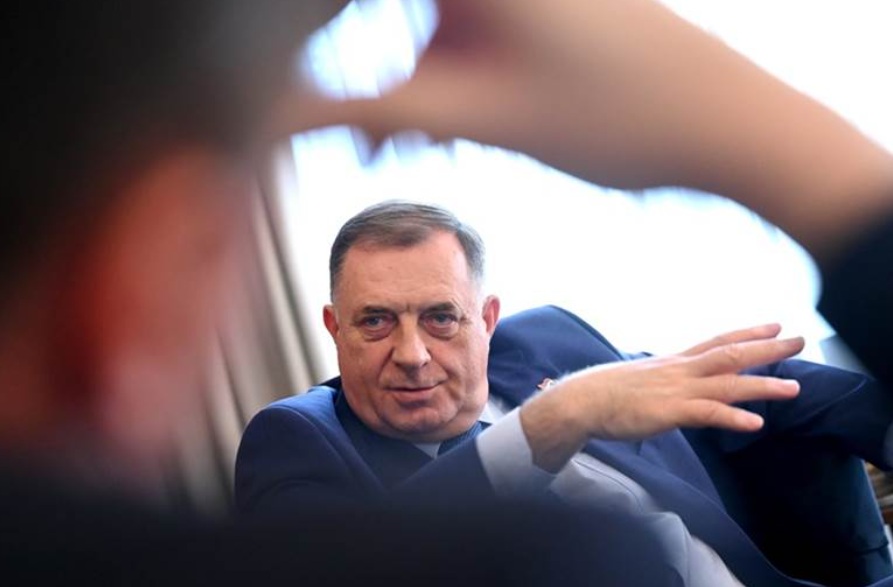
SNSD President Milorad Dodik said that the United Kingdom continues to demonstrate what he described as a biased anti-Serb approach and a hostile attitude toward Republika Srpska, commenting on the upcoming debate in the House of Lords on the situation in Bosnia and Herzegovina.
Dodik described the discussion as an example of an outdated imperial mindset, arguing that British politicians focus on the affairs of other countries instead of addressing their own challenges.
“We can see unrest, riots and tensions in Belfast, yet they are lecturing us about peace in Bosnia and Herzegovina, where peace certainly exists. If you want to talk about others, you should first put your own house in order,” Dodik said.
He stressed that there are no major security incidents or open conflicts in Bosnia and Herzegovina and reiterated that Republika Srpska seeks a return to what it considers the original Dayton Peace Agreement framework.
“We want a constitutional Bosnia and Herzegovina. They should return the constitutional order that was taken away by their citizen Paddy Ashdown instead of portraying Republika Srpska as the problem,” Dodik stated.
The House of Lords is expected to discuss the political situation in Bosnia and Herzegovina, with a report claiming that Russia continues to provide political support to Republika Srpska’s leadership. The document also focuses on Dodik, alleging that his policies weaken state-level institutions.
Dodik rejected those claims, arguing that they reflect a long-standing hostile approach toward the Serb people and Republika Srpska.
He also criticized members of the House of Lords whom he accused of promoting a negative narrative about Republika Srpska, adding that similar debates have taken place before without producing any meaningful results.
The report further refers to what it describes as growing secessionist tendencies and uncertainty regarding the future role of the international community in Bosnia and Herzegovina. Officials in Republika Srpska have interpreted such assessments as continued political pressure on the entity’s institutions.
Source: RTRS