

Twelve prematurely born babies died at the intensive care unit of the Banja Luka maternity hospital between May 22 and June 19, 1992. They would have had a chance to fight for their lives if oxygen had been available at the hospital or if they had been transported to Belgrade for adequate medical care.
The first appeal for help from the Clinical Hospital Center in Banja Luka was sent on May 21, 1992, while hospital staff attempted to replace medical oxygen with industrial oxygen supplied by individuals and organizations from Banja Luka after public appeals for assistance.
However, the oxygen was not sterile, did not have the same humidity level, and the cylinders were filled under different pressure conditions.
The first oxygen crisis was temporarily resolved through the International Committee of the Red Cross and the UN peace mission in Bosnia and Herzegovina, when 180 oxygen cylinders and other medical supplies were delivered to Banja Luka by air in early June. The aid was only short-term, and the hospital soon entered another period of uncertainty.
A public campaign was launched across Yugoslavia demanding permission for humanitarian flights in order to end the agony at the hospital. Numerous public figures supported the appeals, including Yugoslav President Dobrica Ćosić and Serbian Patriarch Pavle.
At the time, Muslim-Croat forces controlled the “Corridor of Life” in Posavina, meaning oxygen could only arrive by air.
Responsibility for this tragedy lies with those who had the power to help but failed to act — primarily then UN Secretary-General Boutros Boutros-Ghali, the UN Security Council and the Sanctions Committee, which delayed and ultimately failed to authorize a humanitarian flight carrying oxygen and medical supplies from the Batajnica airport.
The standard procedure for flight approval usually lasted up to seven days, but even after 12 days permission was not granted.
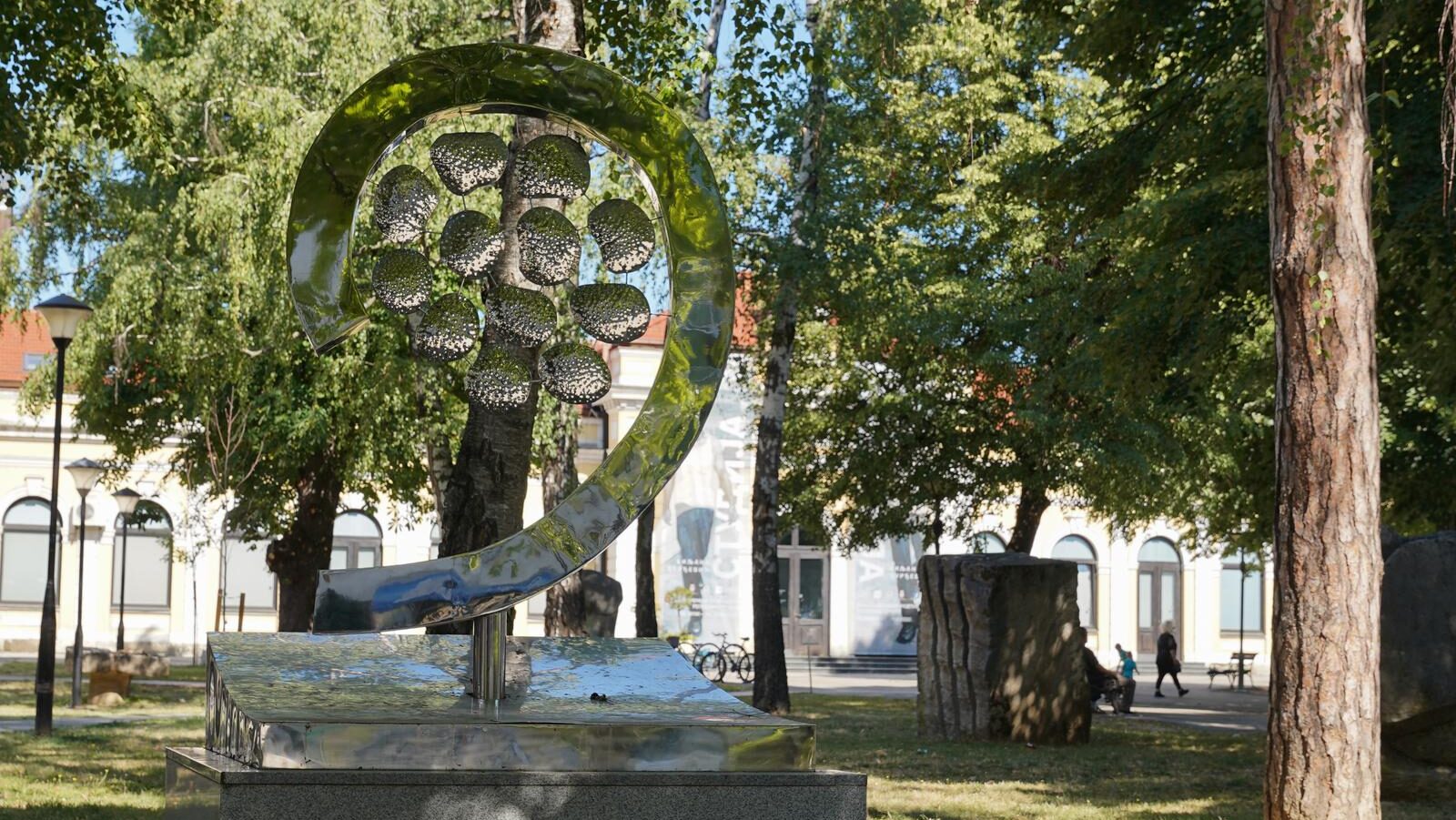
In 2008, the Republic of Srpska Board for the Nurturing of Liberation War Traditions included the tragedy of the 12 Banja Luka babies in the official program marking significant historical dates and events of Republika Srpska, while May 22 was proclaimed the Day of Remembrance for the 12 babies who died due to the lack of oxygen in 1992.
Source: RTRS