

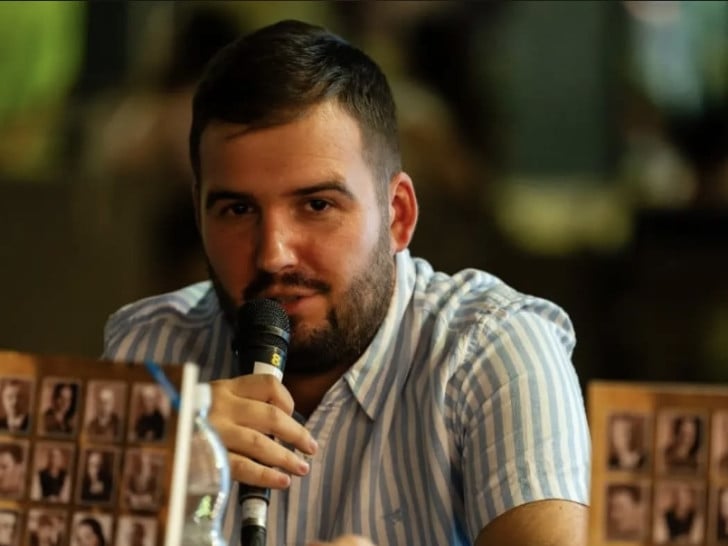
A new poetry collection titled The Boy from the Suburbs (Dječak sa Predgrađa) by Banja Luka author Miloš Štrkić has been published by the Belgrade-based publishing house Nova Poetika.
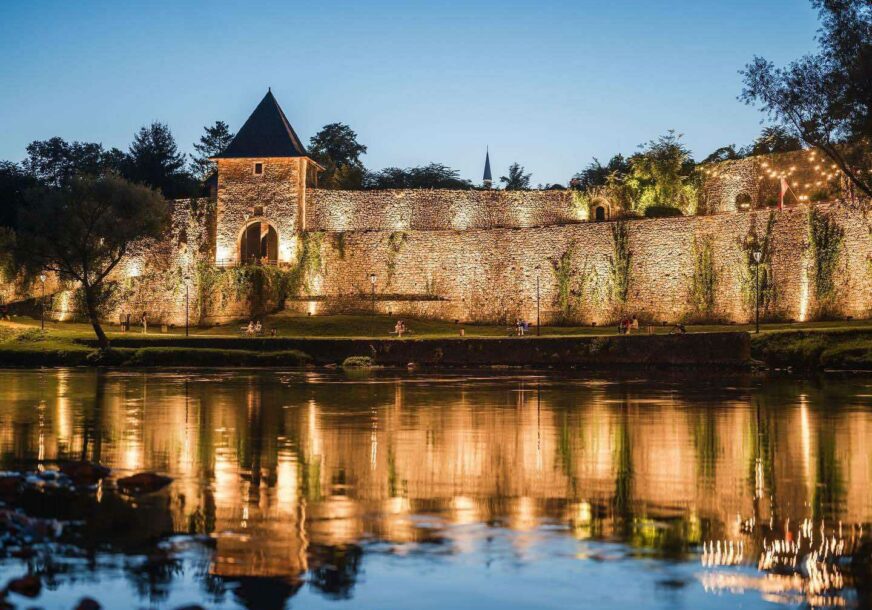
The collection offers a lyrical reflection on the passage of time, first loves, childhood memories and the distinctive spirit of Banja Luka, particularly the area known locally as the Suburbs.
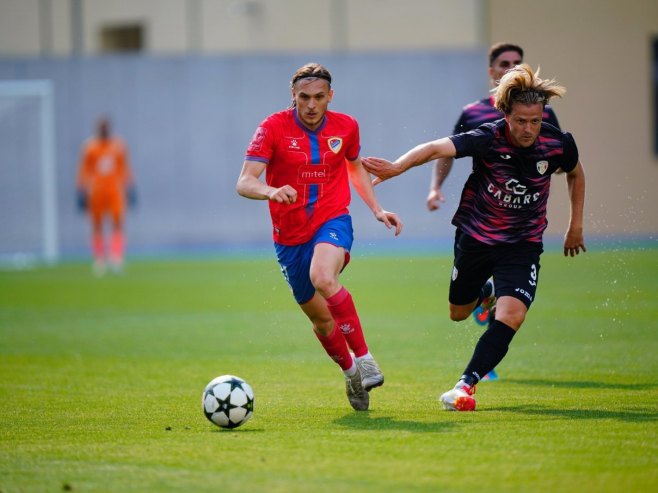
This area encompasses the railway station, livestock market, Agricultural School, railway workers’ settlement and the stadium of FK Željezničar.
Štrkić’s childhood and early experiences in this part of the city served as the main inspiration for the emotionally charged collection.
The Suburbs as a symbol of identity and childhood
The book features reviews by prominent Banja Luka writer and aphorist Miladin Berić, Serbian language and literature professor Željka Suvajac Vračar, and Belgrade writer Vladimir Tomić.
In the foreword, titled Homeland as Destiny and Continuity, Nova Poetika director Dragana Bečejski describes the collection as a deeply personal exploration of memory and belonging.
“This is a book of memories, nostalgia and belonging, in which the Suburbs and Banja Luka transcend their geographical meanings and become symbols of identity, childhood and enduring human values,” Bečejski writes.
She explains that the central theme is the idea of returning, not merely to a physical place but to a time that no longer exists.
A city that remembers for us
In his review, The City That Remembers for Us, writer Vladimir Tomić argues that the true protagonist of Štrkić’s collection is not the boy himself, but the environment that preserves his memories.
“The real protagonist of Miloš Štrkić’s The Boy from the Suburbs is not the boy, but the space that has learned to speak on his behalf,” Tomić writes.
He describes the Suburbs as a personal landscape of memory, filled with familiar sounds, smells, places and people.
For Tomić, the child represents the last guardian of memories that adults gradually lose.
“An adult may forget the road, the house number, the arrangement of market stalls or the train’s arrival time, but the boy remembers even what no longer exists,” he observes.
Tomić also highlights the fact that Štrkić, born in 2000, writes about periods that precede his own lifetime.
According to the reviewer, the poet draws on inherited memories, family stories, urban legends and collective experiences to recreate a past he did not personally witness.
Tomić describes this approach as a form of postmemory poetry, in which a person can genuinely feel nostalgia for an era they never directly experienced.
Poetry written from the heart
Writer and aphorist Miladin Berić, in his review On the Suburbs of Our Youth, emphasizes the emotional authenticity of Štrkić’s poetry.
“This poetry does not follow established literary conventions. It is written from the heart and soul,” Berić states.
He describes the collection as a spontaneous expression of powerful emotions transformed into verses that readers can easily connect with.
Professor Željka Suvajac Vračar similarly highlights the universal appeal of the collection.
Although the poems are deeply rooted in Banja Luka, she believes readers throughout the region will recognize familiar images of their own neighborhoods and the everyday lives of ordinary people.
“Although every reader will immediately recognize that this collection was inspired by Banja Luka, its images of the past will remind them of life in neighborhoods throughout our region and the everyday experiences of ordinary people,” she writes.
The book is printed in Latin script, contains 77 pages and is available in paperback.
About the author
Miloš Štrkić was born in Banja Luka on April 7, 2000.
He completed elementary school and secondary economic school in his hometown before graduating from the Faculty of Law at the University of Banja Luka in 2025, earning a law degree.
From an early age, Štrkić showed a strong interest in history and literature.
In 2019, he published his first book, Great Figures of the City on the Vrbas (Velikani grada na Vrbasu), which explores Banja Luka’s history through biographies of individuals whose work and achievements helped shape the city’s cultural and historical heritage.
The book has since been published in three editions and translated into English.
For his contribution to preserving Banja Luka’s social and cultural heritage, Štrkić received the city’s Youth Award, presented on April 22, Banja Luka’s Liberation Day.
He continues to live and work in his hometown.
Source: Glas Srpske