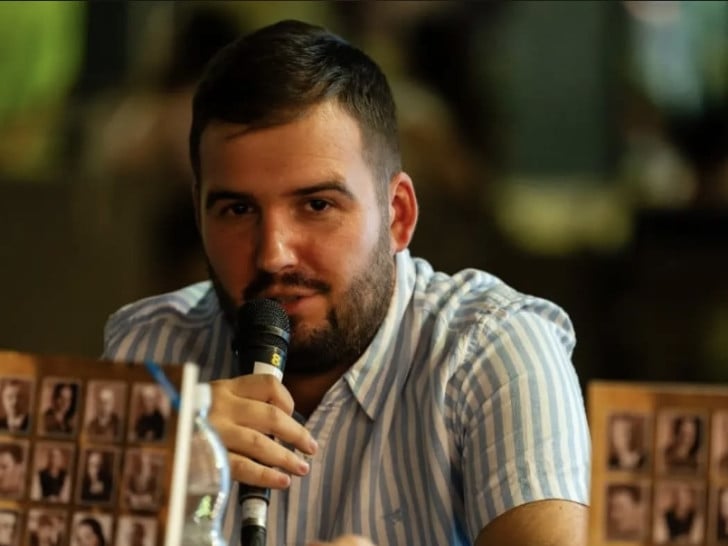

The Missing Persons Institute and the Prosecutor’s Office of BiH have obstructed the identification of human remains held in three memorial ossuaries in Republika Srpska for years in an effort to conceal the true extent of Serb suffering during the war, according to Marko Grabovac, president of the Organization for the Search for Fallen Soldiers and Missing Civilians from Brod.
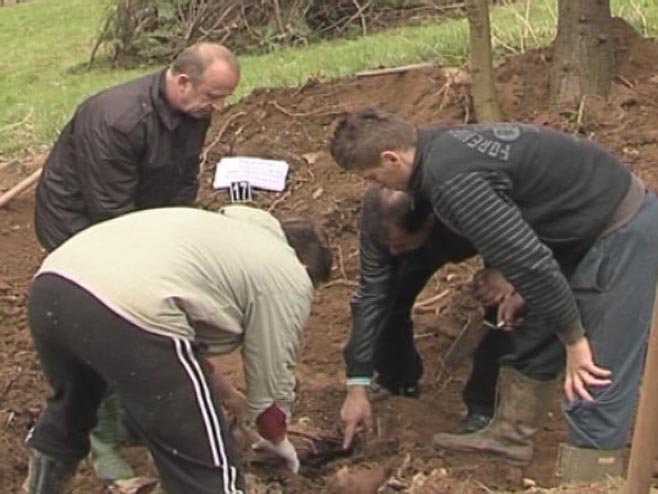
Grabovac stated that more than 600 sets of exhumed human remains have been awaiting identification for years at memorial ossuaries in Banja Luka, Nevesinje and East Sarajevo.
He called on Republika Srpska to establish its own missing persons search office as soon as possible to accelerate the identification process.
Families have waited more than two decades
“This expert team should be headed by pathologist Željko Karan so that the identification of human remains in the memorial ossuaries can finally begin. Families of the fallen and missing have been waiting for more than two decades,” Grabovac told the Srna news agency.
He accused the Missing Persons Institute and the Prosecutor’s Office of BiH of deliberately delaying the process, claiming that completing the identifications would reveal the true number of Serbs killed during the war and the scale of their suffering.
Grabovac alleged that certain individuals and institutions were seeking to prevent those facts from becoming known.
His allegations of deliberate obstruction and concealment were not independently substantiated in the report.
Calls for a Republika Srpska missing persons office
Grabovac expressed hope that the Republika Srpska Government would soon adopt a decision establishing a dedicated office for the search for missing persons.
He recalled that the initiative follows an earlier conclusion adopted by the Republika Srpska Organization of Families of Captured and Fallen Soldiers and Missing Civilians.
According to the proposal, the new office would employ former members of the Republika Srpska Missing Persons Commission, drawing on their experience in locating and identifying people who disappeared during the war.
Grabovac believes such an institution could help address the longstanding identification backlog and provide answers to families still searching for their loved ones.
More than 1,600 people remain missing
According to the figures cited by Grabovac, 1,608 people from Republika Srpska remain on the missing persons list.
Among them are 975 civilians, including 351 women and 10 children.
For families who have spent decades waiting for information about their missing relatives, the identification of remains continues to be a pressing humanitarian issue.
Source: RTRS