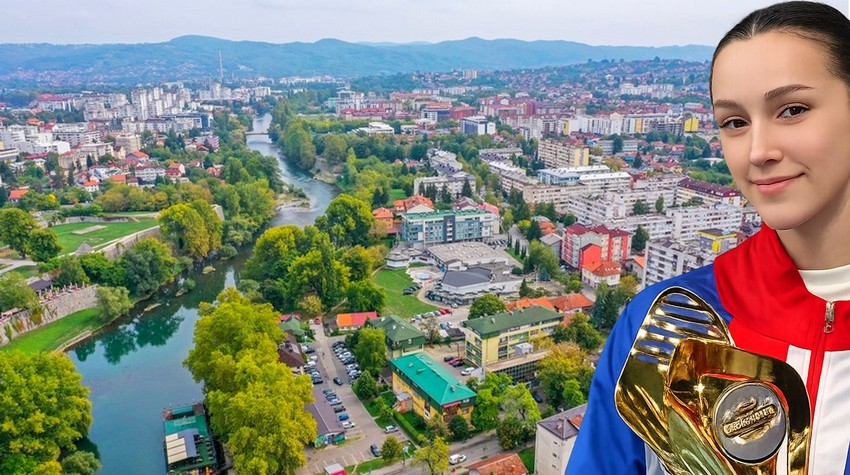




Bardača – once a natural gem of the Pannonian plain and the only Ramsar site in Republika Srpska – now stands at a crossroads between ecological survival and tourism revival.
According to biologist Dragana Šnjegota, the current initiative is not a full restoration, but a project supported by the municipality of Srbac aimed at assessing what remains of this once rich ecosystem.
“The project runs until May 2027. A great deal has been lost—Bardača has been devastated. Our goal is to document everything and determine the direction for future action,” Šnjegota said.
She emphasized that Bardača still holds significant tourism potential.
“It already exists—we just need to continue developing it and present it more effectively. Many of us from Srbac are emotionally tied to Bardača. But if we do nothing, it will remain only a memory,” she added.
Director of the Tourist Organization of Srbac Radisava Šuščević noted that while some facilities are currently available, they are not sufficient.
“There will be picnic areas, children’s facilities, reopening of a swimming pool, and an experimental lake. However, there are currently no accommodation capacities in Bardača itself. Srbac has a hotel and a motel, but that is not enough for larger, organized visits,” she said.
Bardača is also known for hosting an art colony that has been active since 1984.
“It is the only one in the former Yugoslavia that has never stopped operating, even during wartime. Last year, we hosted 33 artists from 17 countries,” Šuščević added.
The future of Bardača now depends on whether concrete steps will follow this assessment phase—balancing environmental protection with sustainable tourism development.
Source: Glas Srpske