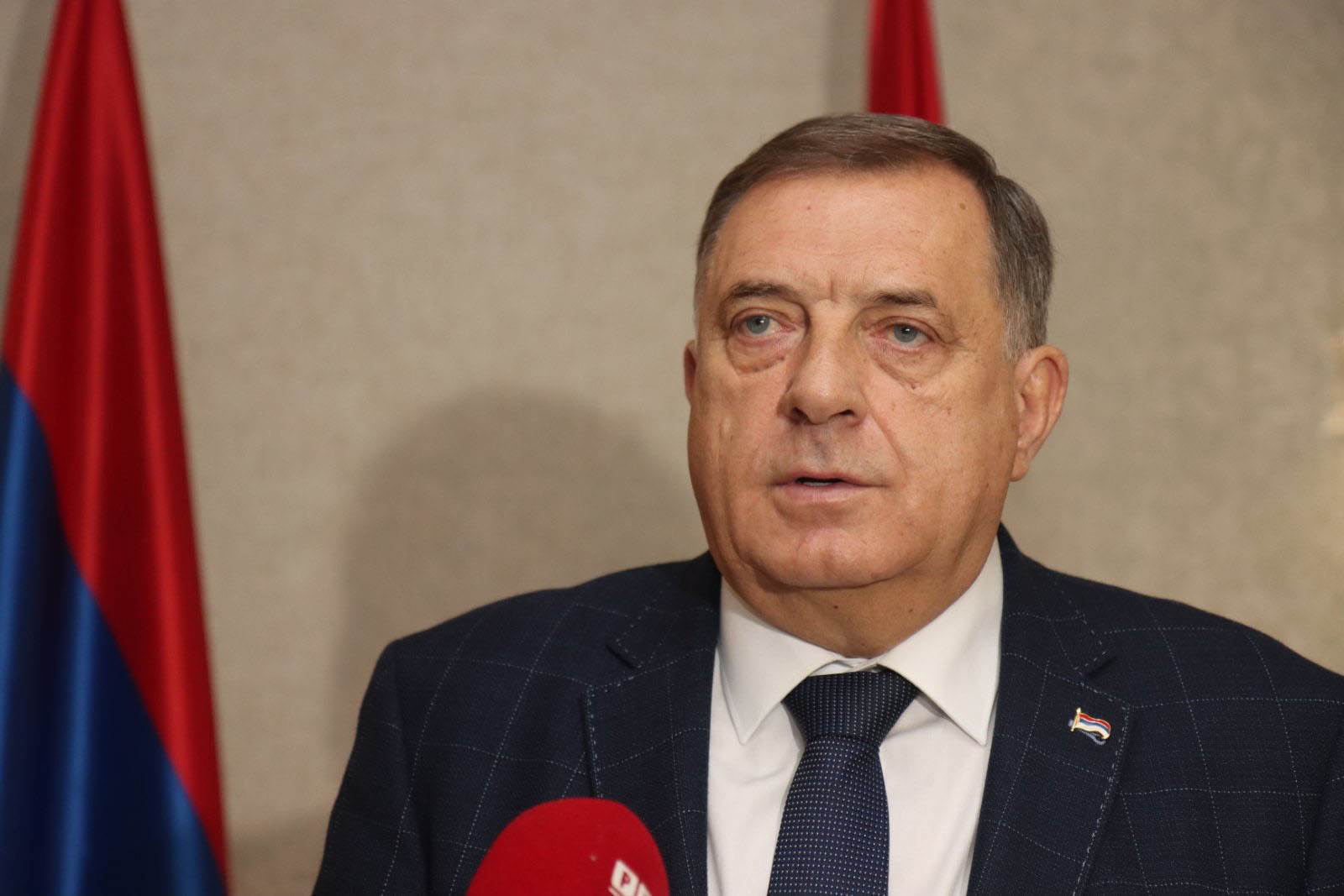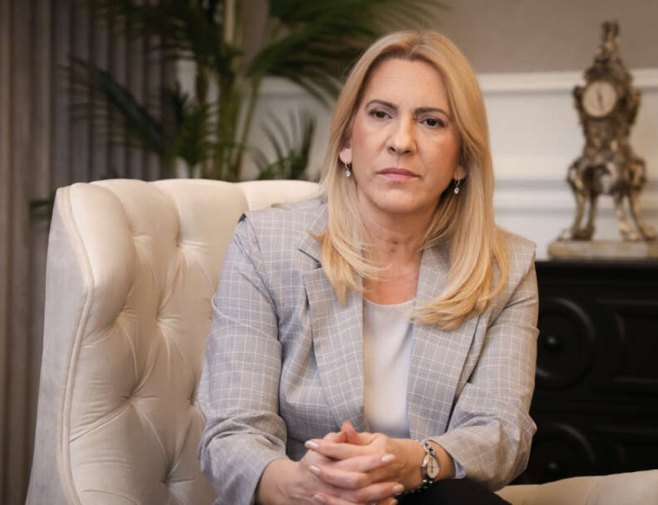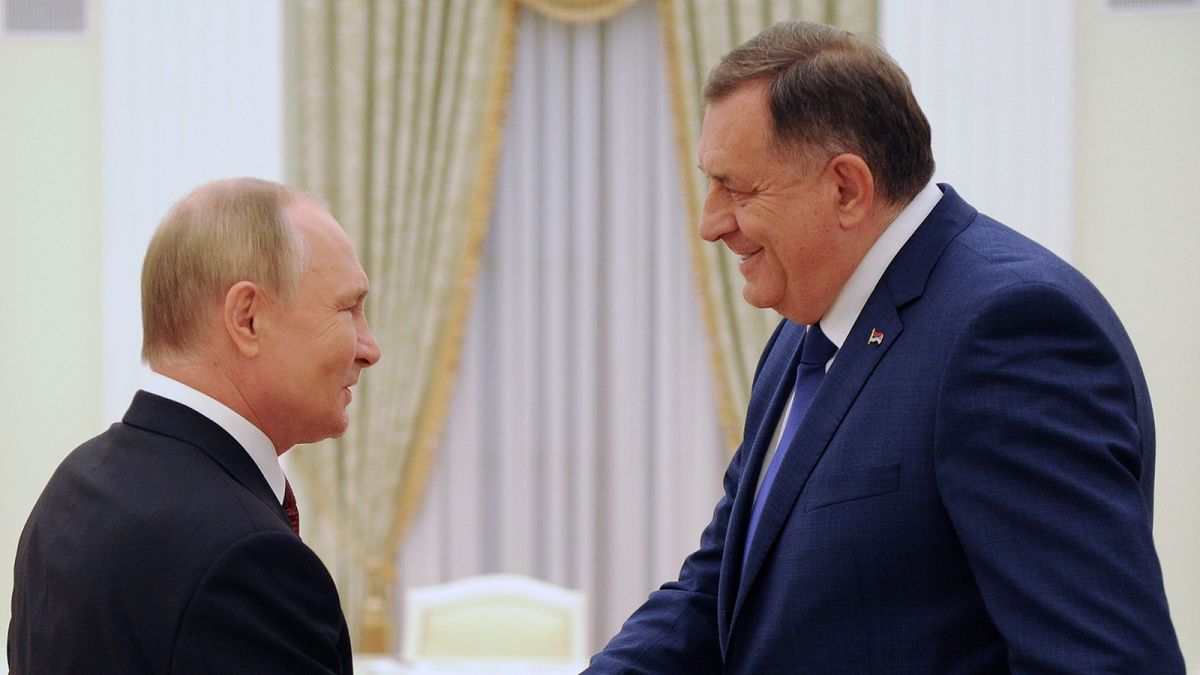


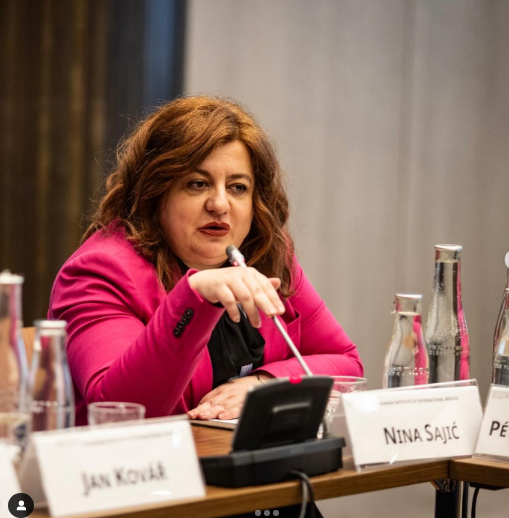
The visit of Donald Trump Jr. to Banja Luka, along with his tour of Sarajevo and direct meetings with the leadership of Republika Srpska, sent a clear message to the region—that Republika Srpska is engaged in dialogue, not lectured—said Nina Sajić, former diplomat and professor of international relations and security at the Faculty of Political Sciences in Banja Luka.
“The visit resonated not only within Republika Srpska and Bosnia and Herzegovina, but also across the region, as evidenced by extensive media coverage from major outlets. In protocol and diplomatic terms, this was a very demanding visit, which our citizens could also feel. However, this is certainly a positive development, as Banja Luka is becoming a center of diplomatic and political activity. I know that traffic closures may cause frustration, but these are good signs and send an important message for Republika Srpska and the Serb people,” Sajić said.
Asked whether the attitude of international actors toward Republika Srpska is changing—especially considering that Sarajevo was bypassed during the visit—Sajić emphasized that this represents a precedent in every sense.
“For the first time, we have a member of the family of the President of the United States visiting Bosnia and Herzegovina, and specifically Banja Luka, without any intention of visiting other parts of the country. We are becoming not only a center of diplomatic activity, but also an address with which dialogue is conducted. We are no longer seen as a problem within BiH,” she stated.
She added that Banja Luka is now treated as an equal political partner—one with whom dialogue is held, not lectures delivered.
“Yesterday we saw that no one came here to lecture us, but rather to see what we can achieve together for the future, in a way that benefits both the American and Serb peoples in this region,” Sajić noted.
The visit also sparked negative reactions, which Sajić described as “collective nervousness.”
“A kind of collective nervousness—almost hysteria. Political structures in Sarajevo and Bosniak political parties do not shape their agendas around what is best for their people in a positive sense. Their political existence is based on denying and obstructing others—primarily Republika Srpska and its representatives, including through political and judicial processes such as those involving Mr. Dodik,” she said.
She added that political success in Sarajevo is often measured by how effectively Republika Srpska and its representatives are blocked.
“In private conversations, Mr. Izetbegović once acknowledged that Bosnia and Herzegovina cannot function as a state without the Serb people, as they are a constituent nation,” Sajić said, adding that such approaches will have to change.
According to her, the visit does not represent an instant solution to issues such as the role of Christian Schmidt, but it does create significant political capital for the future.
“Republika Srpska will have a stronger strategic position in negotiations, particularly those concerning state property. It is clear that Schmidt should leave, as he represents a form of European colonial legacy in a 21st-century state,” she said.
Sajić concluded that the visit signals the beginning of a new political era.
“It did not bring overnight change, but it did create a shift—particularly in the direction of U.S. foreign policy toward BiH. The situation in BiH can no longer be viewed exclusively through a Sarajevo-centered or Bosniak lens. Direct communication is the key message of this visit. Republika Srpska and its representatives now have direct contact with American officials. A clear political signal has been sent that this is a place worth considering for investment, something Republika Srpska has been working toward for years,” Sajić emphasized.
She added that the visit had been in preparation for a long time, dating back to Trump’s presidential campaign, and described it as a form of “testing the ground,” noting that Trump Jr. did not arrive alone but with a full delegation to gain a comprehensive understanding of the situation.
“In times of the harshest sanctions against Republika Srpska, when such measures were handed out like vouchers, it was both important and somewhat risky to support then-candidate Donald Trump. This is the result of a long-term process involving many people. One positive aspect is that until the day before the visit, it was not publicly known who would arrive, preventing any potential obstruction and ensuring that everything proceeded smoothly,” Sajić concluded.
Source: Atv