


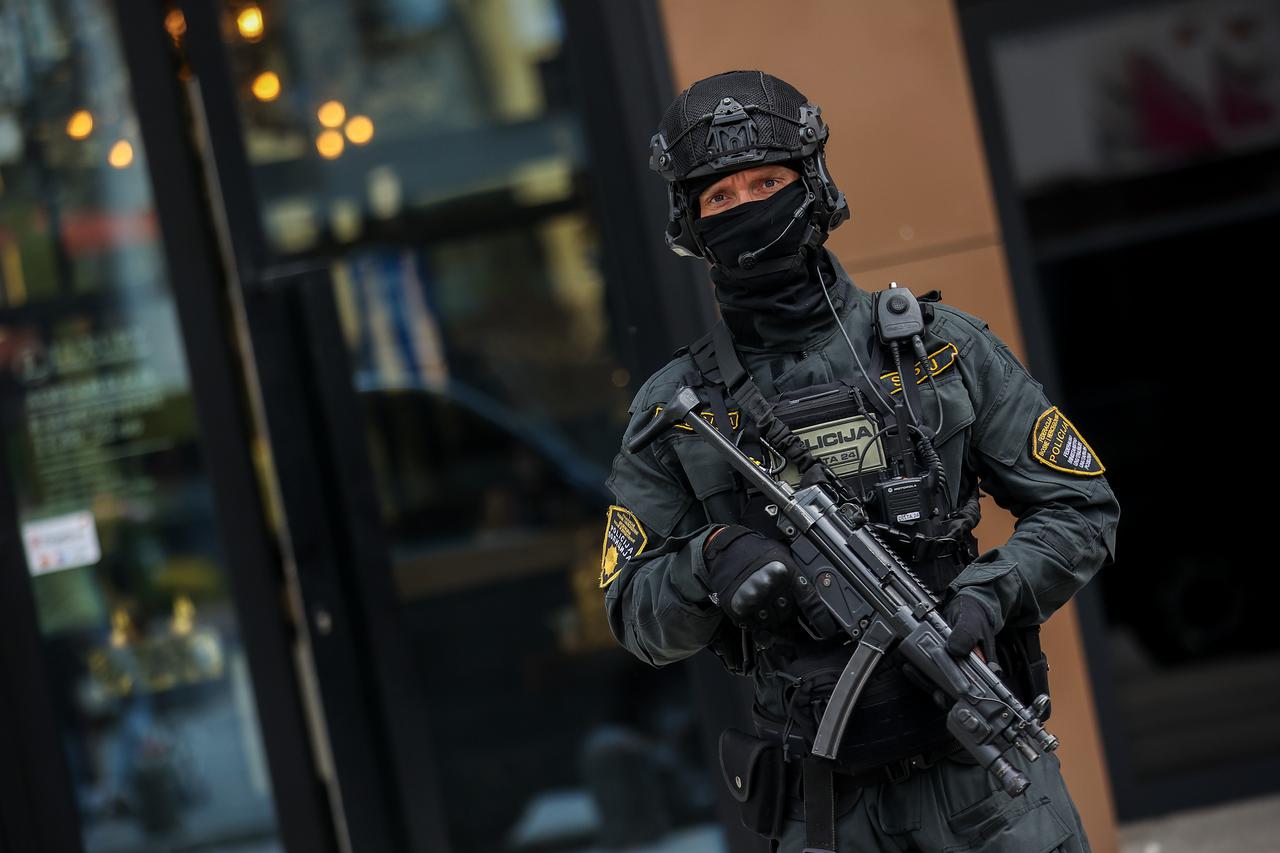
One person has been arrested in Bosnia and Herzegovina after making violent threats during a live broadcast on the TikTok platform, the Federal Police Administration announced.
According to the statement, officers from the Counter-Terrorism Department, under the supervision of the Prosecutor’s Office of Bosnia and Herzegovina, identified a suspect who publicly issued threats during a live stream, including the statement: “I will kill Christians.”
Acting on court orders, police conducted a search of a house in the Zenica-Doboj Canton used by the suspect. During the search, items relevant to the investigation were found and seized for further forensic analysis.
The suspect has undergone criminal processing, while police continue investigative activities in cooperation with the Prosecutor’s Office of Bosnia and Herzegovina to document the criminal offense and establish all relevant circumstances.
The Federal Police Administration stated that it will continue to act decisively in detecting and prosecuting all forms of threats, hate speech, and violent extremism, particularly those spread through social media.
Source: Vecernji.ba