

Republika Srpska’s gross domestic product (GDP) could reach BAM 20 billion by the end of 2026, according to Darko Milunović, Director of the Republika Srpska Institute of Statistics. The projected figure would represent an increase of approximately 50 percent compared to five years ago.
Speaking on the SRNA news agency’s podcast, Milunović highlighted the continued growth of economic activity in Republika Srpska despite global economic challenges.
“The latest report for the end of 2025 showed that GDP amounted to BAM 18.7 billion. Taking into account developments over the past five years and the beginning of this year, it is a very realistic assumption that GDP will reach BAM 20 billion by the end of the year,” Milunović stated.
Republika Srpska maintains positive economic growth despite global challenges
Milunović emphasized that Republika Srpska has recorded positive GDP growth rates throughout the past five years, describing this as an important indicator of economic activity.
He noted that the economy had demonstrated resilience despite several major international disruptions.
“We must not forget that we experienced the coronavirus pandemic, followed by the transport crisis, geopolitical tensions and inflationary shocks. Throughout all of this, Republika Srpska managed to maintain positive GDP growth rates on both a quarterly and annual basis,” Milunović explained.
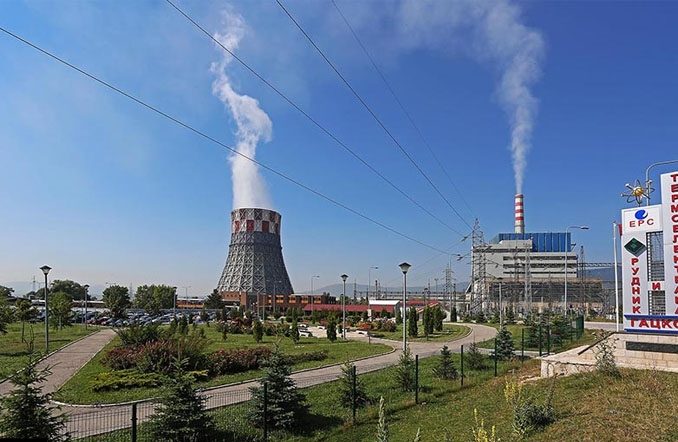
Electricity remains Republika Srpska’s leading export
According to Milunović, exports covered approximately 65 percent of imports during the first nine months of 2026.
Although exports declined slightly while imports increased, he emphasized that the current trade figures represent a substantial improvement compared to two decades ago.
“Twenty years ago, the export-to-import coverage ratio was only one-third, or approximately 33 percent, so today’s figures are significantly better,” he said.
Milunović identified Serbia and Croatia as Republika Srpska’s largest foreign trade partners.
Electricity remains the leading individual export product, accounting for approximately 10 percent of total exports.
Fuel, meanwhile, represents the largest category of imports.
“The global increase in oil prices indirectly explains why imports have risen, as more money has had to be allocated for fuel imports,” Milunović explained.
Average net salary could reach EUR 1,000 in coming months
Milunović also expressed optimism regarding wage growth, stating that the average net salary in Republika Srpska could realistically reach EUR 1,000 within the next several months.
The current average net salary stands at BAM 1,727, representing a nominal increase of approximately 10 percent compared to the same period last year.
After adjusting for inflation, real wage growth amounts to 4.6 percent.
“This indicates that wages have increased faster than prices during this period, which is a very desirable development,” Milunović stated.
He acknowledged that salaries vary considerably across different sectors, with some industries offering above-average wages while others remain below the overall average.
Comparing current salaries with those recorded in August and September 2021, Milunović noted that nominal wages have increased by approximately 65 percent over five years.
Although inflation has reduced purchasing power, real wage growth during the same period has exceeded 20 percent.
“Prices have increased and affected wage growth, but not to the extent that they have eliminated real wage increases, which have exceeded 20 percent during this period. That is extremely important,” he explained.
Milunović described these figures as evidence that economic policymakers are monitoring labor market developments and responding to inflationary pressures.
Manufacturing and trade account for more than one-third of employment
Employment in Republika Srpska currently stands at approximately 290,000 workers, an increase compared to the previous year.
Milunović identified manufacturing and trade as the two dominant employment sectors.
“The number of employed people is around 290,000 and is higher than last year. Two sectors dominate employment: manufacturing and trade, which together employ more than one-third of the total workforce,” he stated.
Institute of Statistics publishes 500 statistical reports annually
Milunović also highlighted the extensive work carried out by the Republika Srpska Institute of Statistics.
According to him, the institution publishes approximately 500 different statistical publications annually, making it one of the most significant publishers in the region.
The Institute also conducts around 240 statistical surveys each year.
“We carry out approximately 240 different statistical surveys annually. Our goal is to make statistics accessible to all users because statistics are an extremely powerful tool for decision-making,” Milunović concluded.
Source: RTRS