
Bosnia and Herzegovina’s path towards European Union membership has been defined through a series of political decisions and agreements over the past 27 years. These include the 1999 decision of the Council of Ministers to launch the EU accession initiative, parliamentary resolutions and declarations, the Stabilisation and Association Agreement (SAA), which entered into force in 2015, the country’s formal application for EU membership in 2016, responses to the European Commission’s Questionnaire in 2018 and 2019, candidate status granted in December 2022, and the opening of accession negotiations in March 2024.
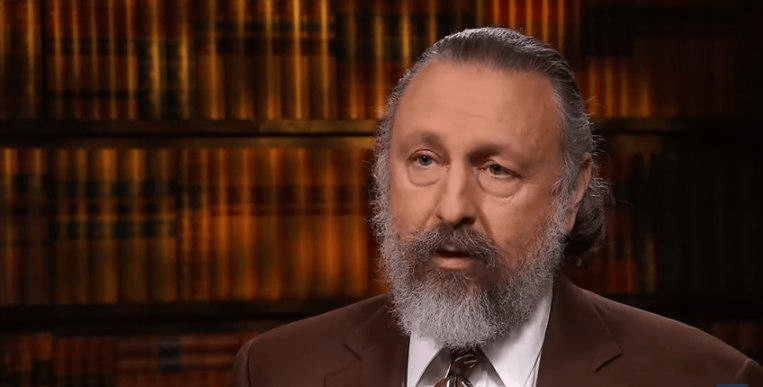
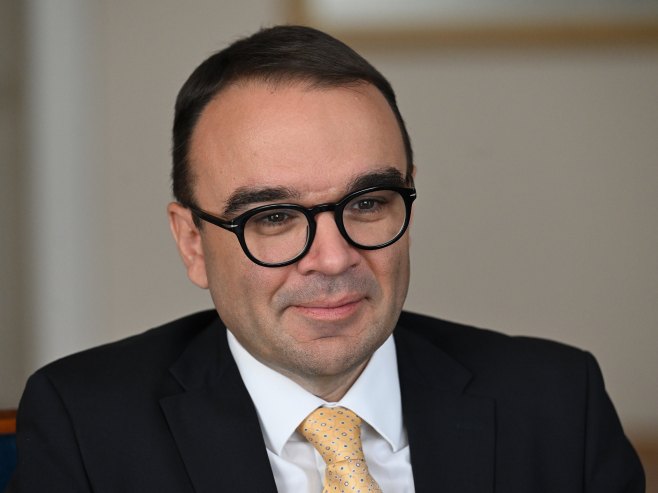
According to Aleksandar Vranješ, all these documents demonstrate that representatives of Bosnia and Herzegovina’s three constituent peoples have long agreed that EU membership is a common strategic objective. However, in an opinion piece for Sve o Srpskoj, Vranješ argues that the European Union has departed from the very principles contained in the SAA through its actions in Bosnia and Herzegovina.
He points to Articles 1 and 2 of the agreement, which emphasise democracy, the rule of law, human rights and political dialogue, arguing that the EU’s political and financial support for the Office of the High Representative, particularly for the actions of Christian Schmidt, contradicts those commitments.
Vranješ recalls that the European Commission stated in its 2019 Opinion on Bosnia and Herzegovina’s membership application that extensive international supervision, including the Office of the High Representative and the Bonn Powers, was “in principle incompatible” with the country’s sovereignty and future EU membership. He argues that the EU subsequently reversed this position by continuing to finance and support the OHR.
According to Vranješ, Brussels has remained silent in response to what he describes as political and legal abuses committed by Schmidt, including changes to Bosnia and Herzegovina’s Criminal Code, the judicial proceedings against Republika Srpska President Milorad Dodik, amendments to the Federation’s constitutional arrangements during government formation, and what he characterises as unequal treatment of the constituent peoples.
He contends that such actions amount to violations of the Stabilisation and Association Agreement and undermine democratic principles that the EU officially promotes.
Vranješ further argues that divisions have emerged within the international community over the future of the Office of the High Representative. According to his assessment, Berlin, London, Paris and Brussels oppose any future High Representative who would abolish the Bonn Powers, while the United States allegedly favours a time-limited mandate without such executive authorities and supports the eventual closure of the OHR.
He claims that European capitals seek to transfer the functions exercised by the High Representative into the EU accession process itself, allowing Brussels to continue influencing Bosnia and Herzegovina’s internal constitutional arrangements through negotiation chapters.
Vranješ also speculates about possible future disagreements within the Peace Implementation Council and suggests that the United States could eventually withdraw from the PIC, potentially leading to a broader geopolitical realignment involving Russia and China regarding the appointment of any future High Representative.
Concluding his article, Vranješ argues that Republika Srpska should regard Brussels, Berlin, London and Paris as acting against its interests and warns that the EU accession process could become a mechanism for further reducing the constitutional competences of Republika Srpska.
He concludes that, in his view, the European Union has violated the Stabilisation and Association Agreement and argues that the Serbian people should be given the opportunity to express their opinion through a referendum on Bosnia and Herzegovina’s continued path towards EU membership.
Source: RTRS