


This year’s parliamentary elections in Hungary bring a level of uncertainty the country has not seen in nearly two decades. Voters are not only choosing between the ruling Fidesz and the opposition TISZA party—between sovereignist Viktor Orbán and pro-Brussels candidate Péter Magyar—but also deciding the country’s future direction: whether to maintain its current level of independence or become a more compliant member of European structures.
In Brussels, the elections are seen as an opportunity to normalize relations with Budapest, particularly regarding sanctions and relations with Russia. Meanwhile, United States is openly following the campaign and expressing support for Orbán, presenting him as a model in the global political environment. The recent visit of U.S. Secretary of State Marco Rubio, during which a nuclear cooperation agreement was signed, signals Washington’s preference.
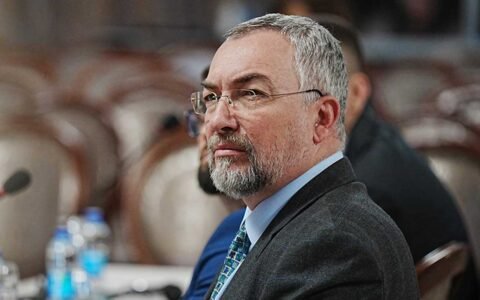
According to geopolitical analyst Vladimir Prebiračević, Hungary is at a crossroads between sovereignty and a fully liberal European model. A victory for Orbán would mean the continuation of policies that do not align with the European Union, while any shift could negatively affect Serbia and Republika Srpska.
He argues that Brussels has long attempted to influence political outcomes across Europe, citing developments in countries such as Romania, Moldova, and Georgia, and pointing to political, financial, and economic pressure mechanisms, including reduced EU funding and disruptions in Russian energy supplies.
On the other hand, Péter Magyar is seen as a candidate aiming to align Hungary more closely with Brussels and global power centers, with support from NGOs linked to the Open Society Foundations, raising questions among critics about political independence.
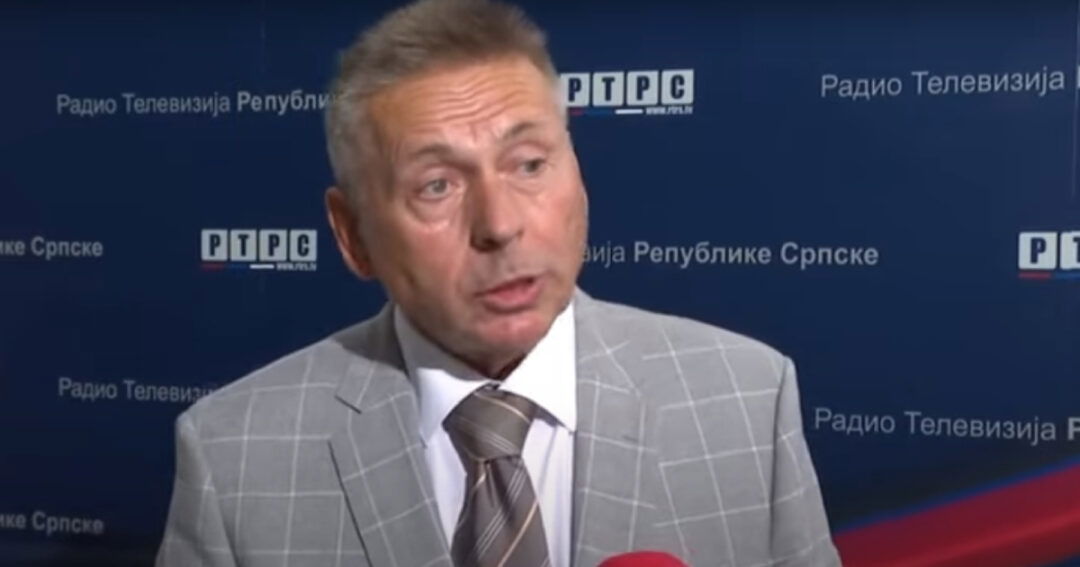
Analyst Predrag Rajić stated that an Orbán defeat would have significant consequences not only for Hungary but also for the region, particularly Serbia and Republika Srpska.
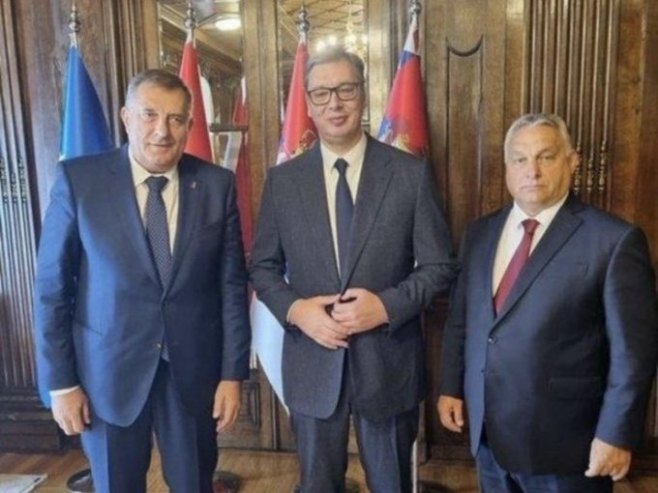
“We have no better friend than Orbán in the EU. He is clearly aligned with Serb political interests—not only in Serbia but also in Republika Srpska,” Rajić said, adding that changes in Budapest’s policy would likely alter its stance toward Banja Luka and reduce existing political and economic support.
He also noted that Hungary’s mixed electoral system still favors Fidesz due to its strong local organization and infrastructure, despite uncertainty in the outcome.
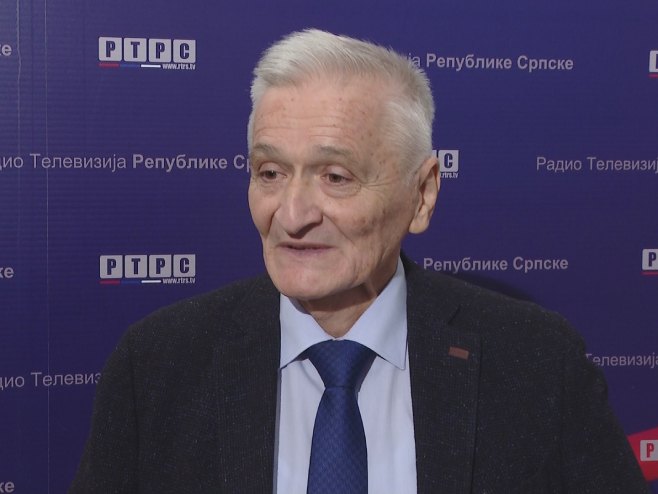
Political analyst Aleksandar Pavić added that Hungary represents one of the most consistent opponents of current NATO and EU policies toward Russia, which is why, according to him, significant efforts are being made from European centers to weaken Orbán politically.
“It is of great importance that Orbán remains in power. Such a Hungary serves as a counterbalance to anti-Serb alliances in the region and within Europe itself,” Pavić said.
According to a report by the portal “Grayzone,” as early as 2019 an EU official allegedly prepared a project to coordinate opposition to Orbán’s government, including cooperation between political, union, and civil groups, with the aim of influencing electoral outcomes and supporting pro-European opposition forces.
Source: Glas Srpske