

The decision by the administration of U.S. President Donald Trump to designate the Muslim Brotherhood as a terrorist organization has once again reopened questions about historical links, networks, and contacts that certain political and security actors in the Balkans had with structures associated with radical Islamist circles.
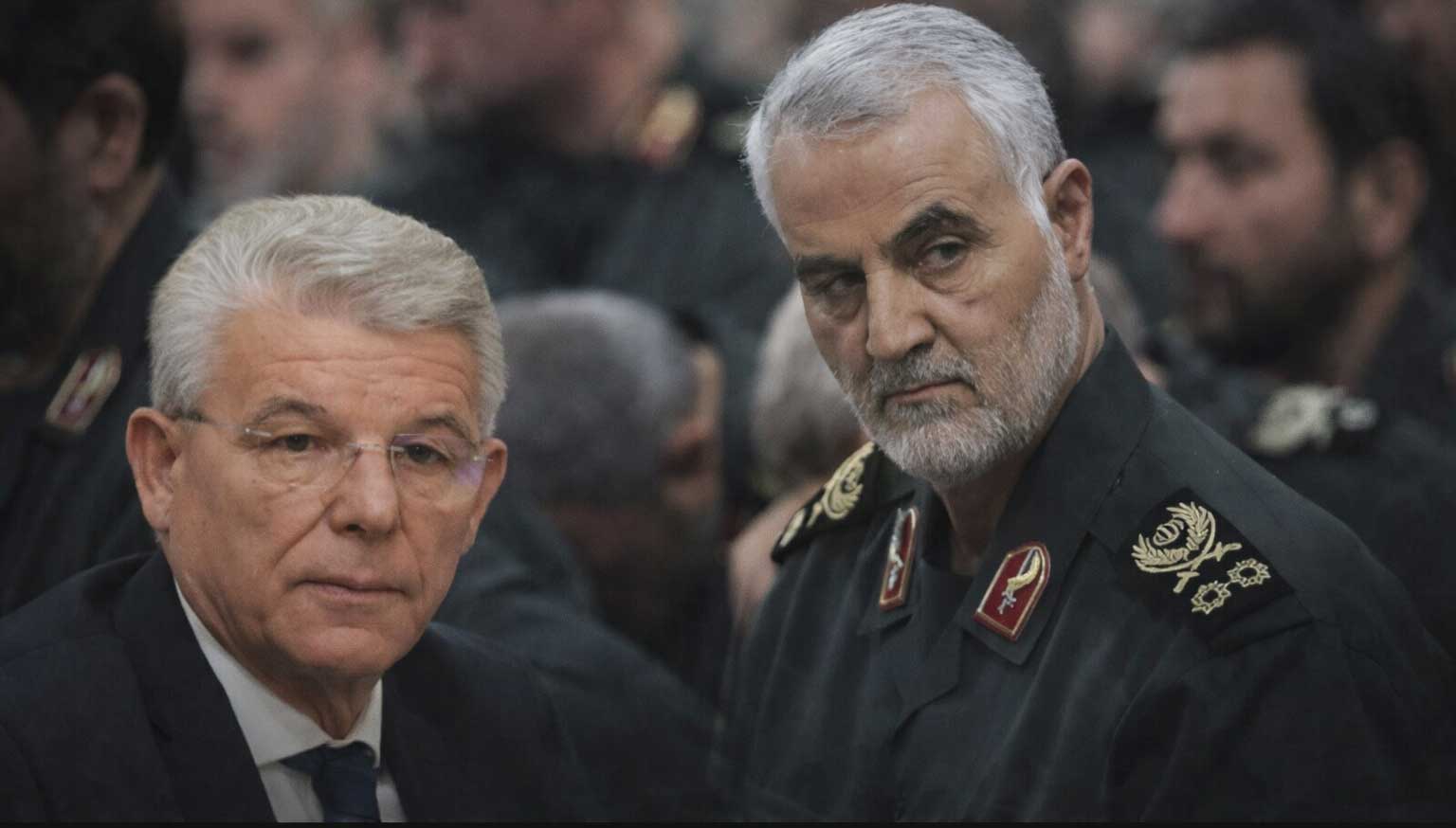
In this context, earlier diplomatic and media reports about the activities of Iranian and other foreign actors during the war in Bosnia and Herzegovina are again being mentioned in public, including the presence and operations of members of the Iranian Revolutionary Guard. Particular attention in these analyses is given to claims that Iranian General Qasem Soleimani—later identified as one of the key figures in regional and global security operations—was present in Bosnia and Herzegovina during the wartime period.
Within these allegations, some sources previously drew connections to local wartime security structures, including Šefik Džaferović, who at the time held a position within the wartime security hierarchy. These claims never resulted in judicial proceedings, but have remained recorded in diplomatic and media analyses as part of the broader picture of foreign influence during the war in Bosnia and Herzegovina.
Washington’s current decision to formally treat the Muslim Brotherhood as a terrorist organization further intensifies interest in the historical continuity of ideological and operational links that, in certain periods, existed between local structures and international Islamist networks.
Observers warn that such historical data are not merely a matter of the past, but also an element of contemporary security assessments, particularly in the context of regional stability and Western approaches to political Islam in the Balkans.
Source: RTRS