



Experts from France, Republika Srpska, and Serbia gathered last night in Paris to mark three decades since the signing of the Dayton–Paris Agreement, at a roundtable titled “30 Years After Dayton: Peace, Challenges and Perspectives,” organised by the Representative Office of Republika Srpska in France.
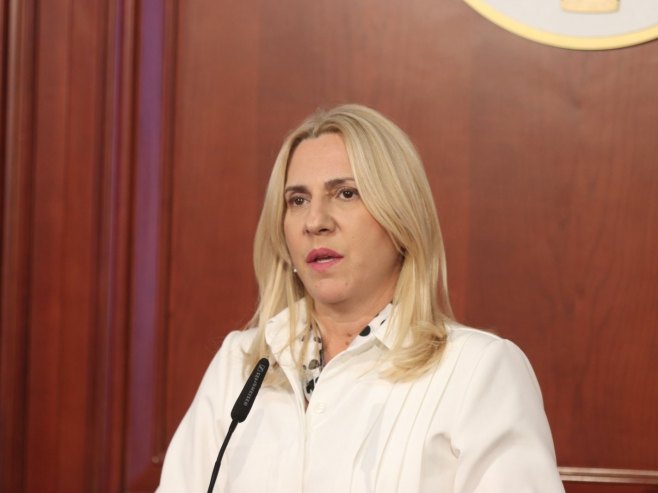
The head of the Representative Office, Bojana Kondić Panić, stressed that the diplomacy of Republika Srpska is visibly present in Paris, which was confirmed by the event itself and by its participants, who examined the achievements of the Dayton Peace Agreement and assessed where Republika Srpska and Bosnia and Herzegovina stand 30 years after its signing.
French historian and geopolitical analyst Alexis Trudor told RTRS that the discussion highlighted Bosnia and Herzegovina as a form of protectorate under a neo-colonial administration.
“However, no one in the West understands what is actually happening there. The authorities of Republika Srpska must act carefully and strengthen ties with European powers willing to work with them — for example, Italy and Austria, where a strong Serb diaspora is present,” Trudor said.
He added that the emerging global order — shaped by China, the United States, Russia, and Türkiye — is favourable for Republika Srpska.
Professor Nina Sajić of the Faculty of Political Sciences in Banjaluka said the event brought together many participants from French public life as well as members of the diaspora connected to Republika Srpska and Serbia. She added that French-Serb friendship was evident throughout the evening.
“A professor from the Sorbonne emphasised that the problem with the Dayton Agreement does not lie in the agreement itself, but in the fact that it has not been respected,” Sajić told RTRS.
She noted that the roundtable reached a clear conclusion: the greatest problem in Bosnia and Herzegovina is the Office of the High Representative, with participants highlighting the issues created by this form of colonial tutelage.
Source: RTRS