
Republika Srpska officials have intensified their diplomatic activities in recent weeks, with high-level engagements in Washington, Tel Aviv and Moscow. Officials and analysts in Republika Srpska argue that these contacts demonstrate growing international recognition of its positions, while the developments have drawn criticism and attention from political circles in Sarajevo.
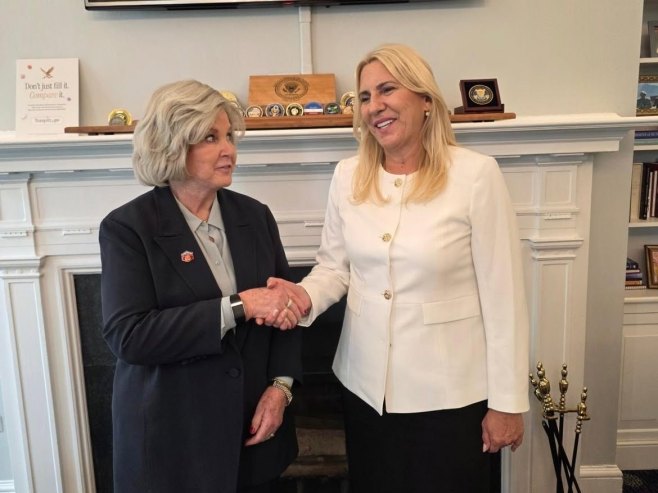
“We are grateful for the opportunity to present our positions at many important addresses in the United States,” Serb member of the BiH Presidency Željka Cvijanović said following her meeting with U.S. Ambassador to the United Nations Mike Waltz.
During their meeting in New York, Cvijanović and Waltz discussed the political and economic situation in BiH, as well as opportunities to strengthen cooperation in relevant areas.
“There is still a lot of work ahead of us, but when you know who you represent and that you are on the right path, no task is too difficult and no road is too long,” Cvijanović said.
Her meetings in the United States came amid broader diplomatic activities by Republika Srpska officials. Cvijanović met senior U.S. officials in Washington and New York, while Milorad Dodik held talks with Israeli Prime Minister Benjamin Netanyahu in Israel. Further high-level contacts with the Russian Federation are also planned.
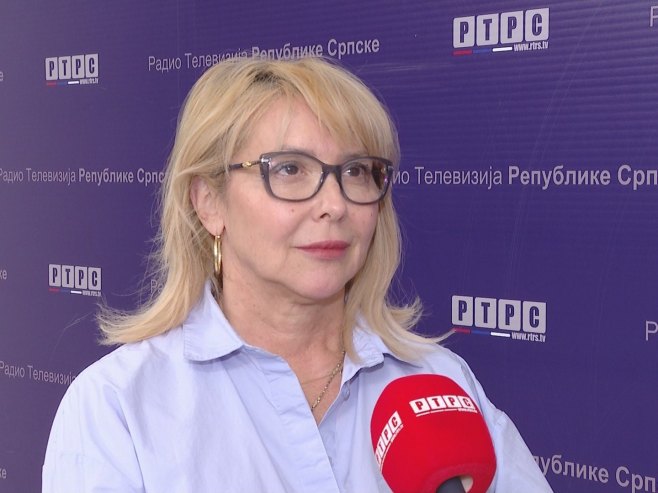
Bojan Šolaja of the Center for International and Security Studies said changing global circumstances had created new diplomatic opportunities for Republika Srpska.
“It is simply political complaining by those who had become accustomed to being favored by international representatives in Bosnia and Herzegovina over all these years. Those circumstances have now changed amid the global developments we are witnessing, and Republika Srpska has taken full advantage of the space that opened up to position itself in accordance with these geopolitical changes,” Šolaja said.
Cvijanović also attended a reception hosted by U.S. President Donald Trump on the occasion of the UN General Assembly session. The event provided an opportunity for meetings and conversations with European and international leaders, as well as senior members of the U.S. administration.
Her visit also included a White House meeting with Trump’s Chief of Staff Susie Wiles.
Sarajevo-based lawyer Damir Sakić described the meeting as a significant diplomatic achievement for Republika Srpska and said it reflected Cvijanović’s standing within the U.S. administration.
He described Wiles as a figure with considerable formal and informal influence within the Trump administration.
“It represents a major diplomatic victory for Republika Srpska and, at the same time, confirms the reputation and respect that Ms. Cvijanović enjoys both within President Trump’s administration and among administrations around the world and in international relations more broadly,” Sakić said.
He argued that this standing was the result of Cvijanović’s approach to her office, the electoral mandate she received and the policies of Republika Srpska that she represents.
Diplomat Branko Branković similarly assessed Republika Srpska’s recent international activities positively, describing them as an example of diplomacy adapted to changing geopolitical circumstances.
“When you pursue a mature policy, when you know what you want and when you have your own national and state interests, it is not that difficult. Many may not like you because of it, but they respect you. Having your own positions is something that commands respect,” Branković said.
Supporters of Republika Srpska’s current diplomatic approach argue that sustained engagement with the United States, Israel, Russia and other international partners has strengthened its ability to present its positions abroad.
The latest diplomatic activity reflects an effort by Republika Srpska officials to expand international contacts and increase their visibility in global political and economic discussions.
Source: RTRS