

Rade Rogić was a Serb soldier and a prisoner of war who was brutally killed during the war in Bosnia and Herzegovina by mujahideen fighters.
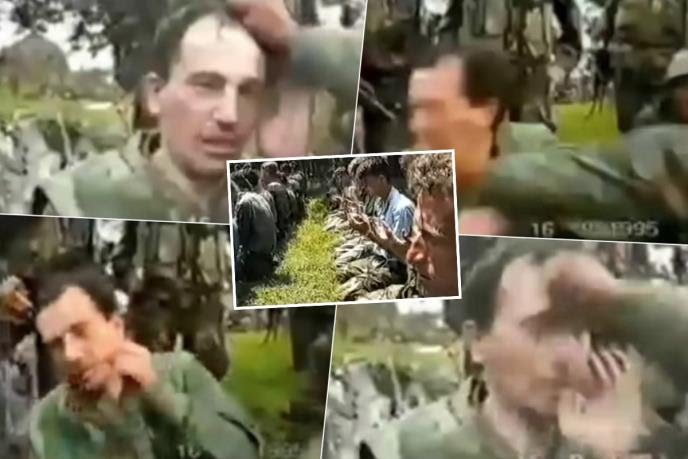
During a reconnaissance mission between Bihać and Bosanska Krupa, in the area of the village of Gudovac, Rogić was captured by members of the “Hamze” unit, part of the 505th Muslim Brigade from Bužim, whose ranks included foreign mujahideen.
Footage of the crime spread around the world. A war crime was committed against Rade Rogić, involving torture, humiliation, and beheading.
This crime has been documented through testimonies and video recordings and is part of a series of crimes committed by mujahideen units against Serbs, which have been reported on for years by numerous domestic and international media outlets.
Rade Rogić is a victim of a crime that was suppressed, relativized, and swept under the rug for decades. His family filed complaints with the competent institutions, and according to media reports, an investigation was conducted in which 22 individuals were suspected of the murder. However, an indictment was never filed.
The case of Rade Rogić was also considered by the Hague Tribunal, which, according to available information, returned the videotape with the explanation that the content was too brutal and refused to prosecute the crime.
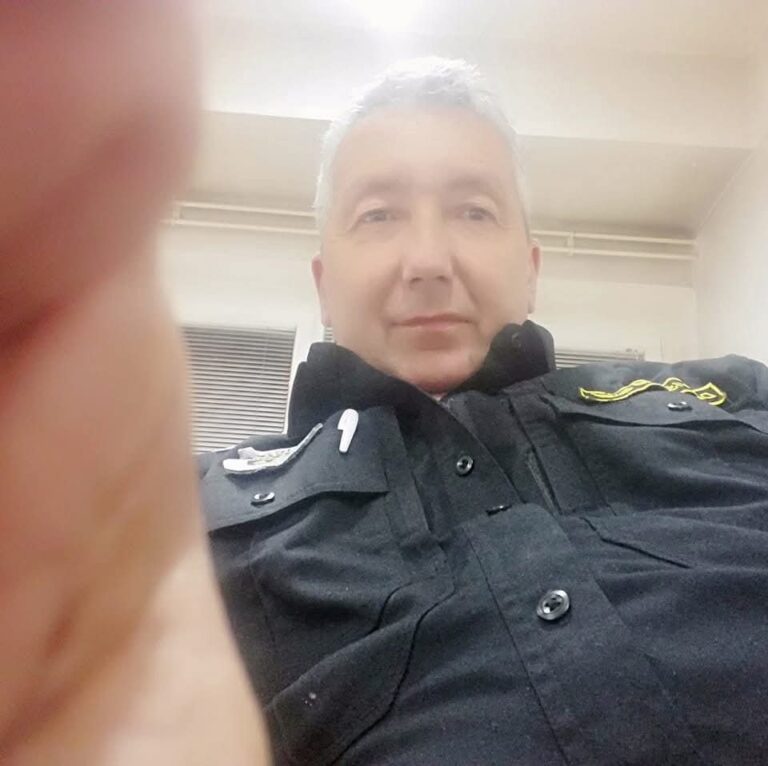
Years later, the public was once again disturbed by a comment posted on social media. From a public Facebook profile under the name Enes Dervišević, the message was posted: “Bravo, his hand was blessed” — a comment that openly celebrates the beheading of Rade Rogić.

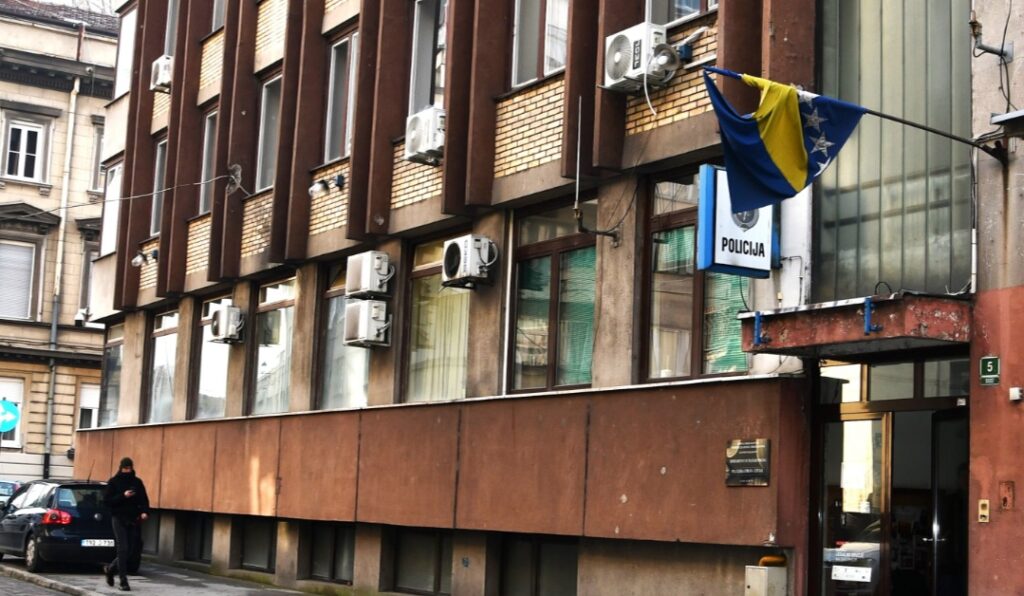
According to information available in the media and on the profile itself, Enes Dervišević is a member of the Sarajevo Canton Ministry of the Interior.
In this way, a direct line is drawn from a war crime against a Serb soldier to a public message of support for that crime, expressed under the symbol of police authority and the uniform of an institution that should guarantee the safety of all citizens.
This is not a matter of “opinion” or provocation. It is a public endorsement of slaughter, stated under a full name, with the public display of affiliation with a police structure.
The question therefore arises on its own: how can Serbs in Sarajevo feel safe when a person who openly celebrates the killing of a Serb wears a police uniform?
The answer to this question is owed not only to the family of Rade Rogić. It is owed to justice, to institutions, and to a society that claims it has moved beyond the war.
Source: Pozitivna Srpska