
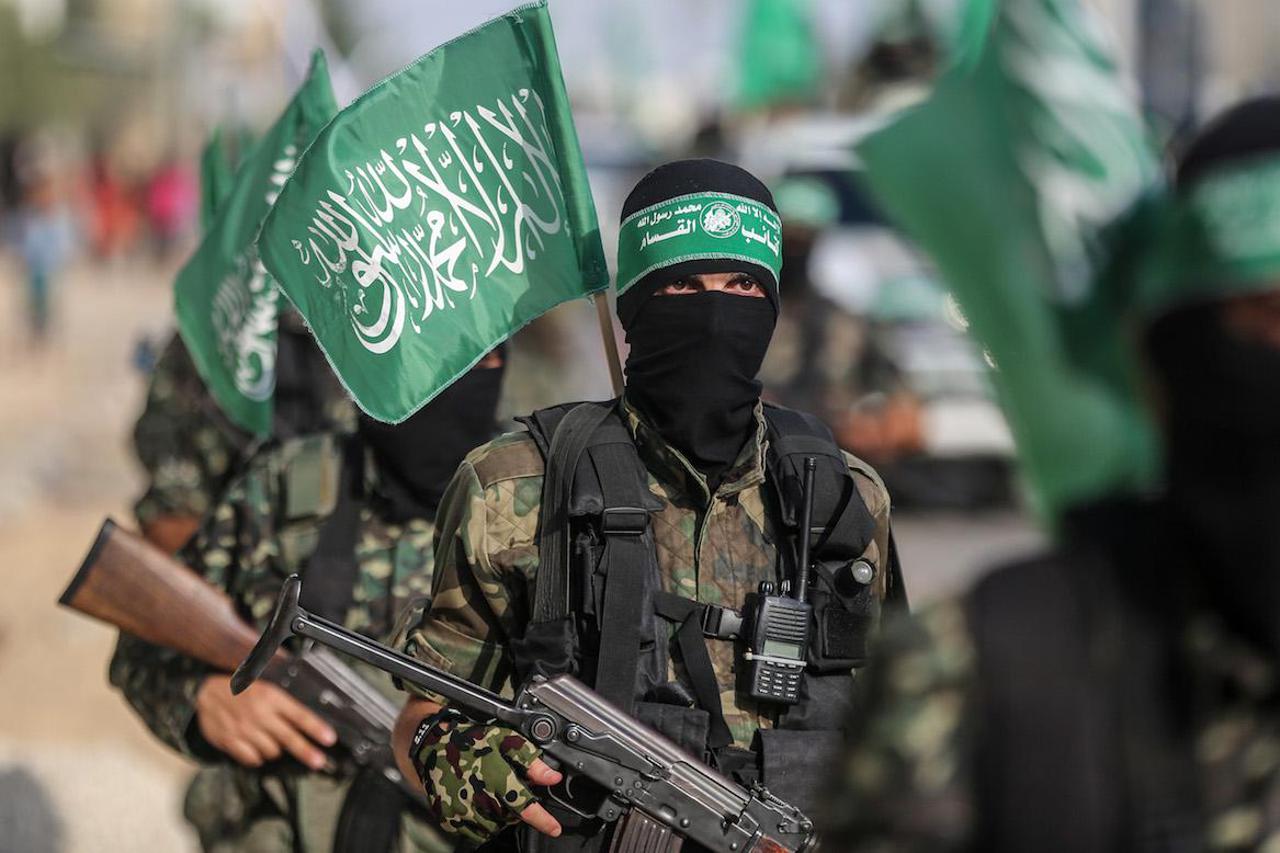


The incident in which the junior national team of Bosnia and Herzegovina refused to shake hands with Israeli players is not a sporting detail. It is a political message and a perfect reflection of the society that Sarajevo’s political elite has been building for years—and now pretends not to recognize.
Where are Denis Bećirović and Elmedin Konaković? No condemnation. No statement. Not even a minimum of consistency.
And yet, not long ago—Washington, a carefully staged performance. Bećirović, Konaković, Lagumdžija, Alkalaj stand alongside the Haggadah, speak about Jewish cultural heritage, demonstrate tolerance, coexistence, and a multiethnic Bosnia and Herzegovina for an American audience. Emir Suljagić sends letters to the U.S. envoy for combating antisemitism. Photos are shared, quotes published, others accused.
And then they return home and remain silent while, in the jersey of a national team that is supposed to represent Republika Srpska and Croats as well, an obvious antisemitic act takes place. They remain silent—and in that silence, they say everything they carefully avoided saying in Washington. They know what happened. They know what it means. And they dare not say a word. Because condemning their own comes at a cost. It would be political suicide.
And then they wonder why Serbs and Croats cannot identify with that national team.
Every story they tell about tolerance has an expiration date—and they are the ones who always set it. When sport and the BiH national team become an extension of a single political agenda, only those who share that agenda will support it. A national team burdened with politics cannot be common—it can only be a symbol of one part of the country, never the whole.
Washington was a performance. Sarajevo’s politics is the reality. And no one can hide it behind the Haggadah anymore.
Source: RTRS