

As the conflict in the Middle East continues to escalate, political Sarajevo faces a diplomatic dilemma — whether to align with the United States and its allies or with its long-standing partner Iran, with which it has maintained close ties since the 1980s.
According to reports, during the war in Bosnia and Herzegovina, Alija Izetbegović and Muslim political leaders adopted elements of Islamic ideological concepts associated with Iran.
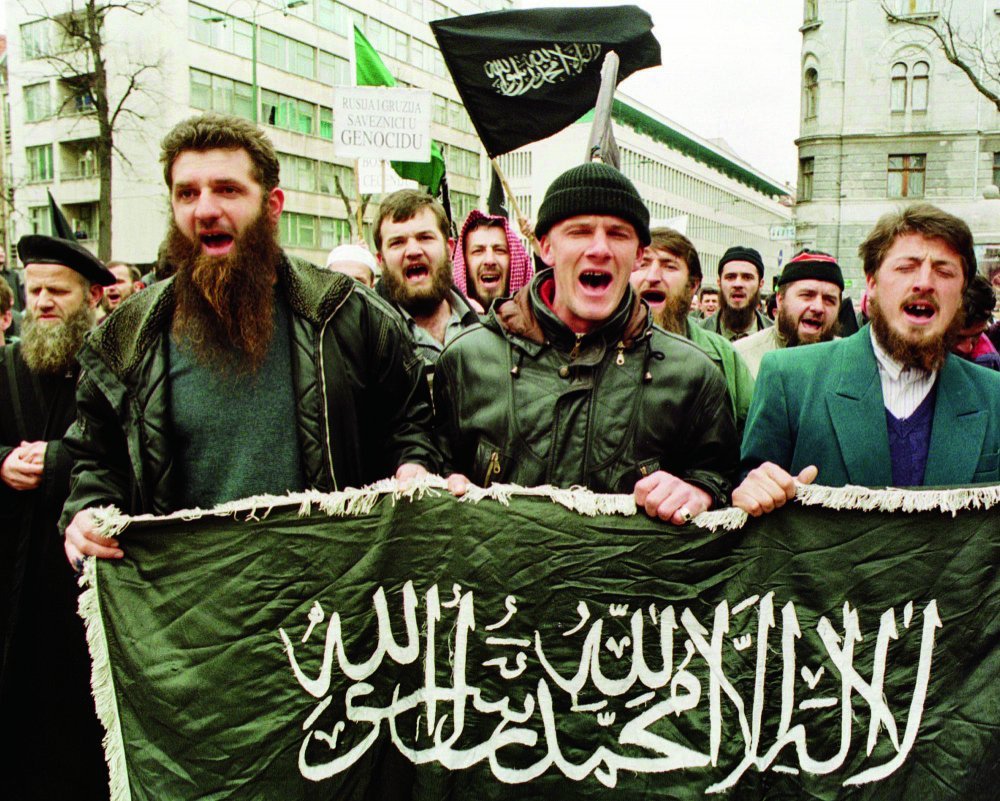
During the war and the international arms embargo, the Bosnian Muslim leadership allegedly received large quantities of weapons, ammunition, military equipment, financial support, and military instructors from Iran, as well as foreign fighters linked to jihadist units.
In the post-war period, cooperation continued to expand into various civilian sectors, while political and cultural sympathies toward Iran grew in Sarajevo.
For decades, Iranian influence has remained present in the political and social landscape of the Federation of Bosnia and Herzegovina.
Source: RTRS