
These days mark three decades since the exodus of Serbs from Sarajevo, when during February and March 1996 more than 150,000 Serbs left their homes in the city. They abandoned their hearths, defended during the war, under the burden of uncertainty and fear after the Dayton Agreement placed their municipalities within the Federation of BiH. Thirty years later, time has not erased the memories.
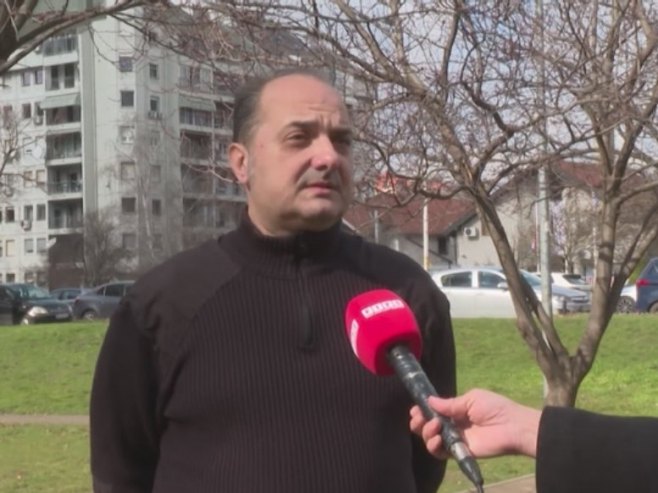
Even after 30 years, the harrowing images of the exodus of Serbs from Sarajevo remain a painful wound in the collective memory of the Serb people, says historian Aleksandar Raković.
“Serbs in Sarajevo were the third most numerous community in Yugoslavia. Leaving that city is a permanent trauma. During the war in BiH, while fighting to preserve their identity, Serbs controlled most of Sarajevo, where they had been the majority before the war. Serbs did not lose Sarajevo in the war, but later ‘at the green table’, because they could not live with those who had previously killed them. That was unbearable, so they withdrew,” Raković explained for RTRS Morning Program.
It was an exodus of the identity and culture of a people who built that city.
“Even today, Serbs from Sarajevo do not feel nostalgia when recalling life there, because the trauma is great. Conflict, the loss of the city—these are all major traumas they carry and wish to suppress. On the other hand, there are those who, upon moving to other environments such as Serbia, felt great relief. They live with their pain but have pushed it aside,” Raković said.
We must nurture a culture of remembrance and publish accounts of life there. Sarajevo is no longer the same city; it only bears the same name, because a city is made by people, not buildings.
“There has been a cultural collapse that has been permanently weakened by the departure of Serbs. If someone thinks that is a high achievement, they are gravely mistaken,” Raković said.
Many found it easier to endure the war than to leave centuries-old hearths.
“Attempts to erase the Serb people had occurred earlier in these areas. It went step by step. Sarajevo was a cultural center of the Serb people, with an elite formed there over centuries,” Raković said.
According to international plans, Sarajevo was not allowed to remain under Serb control, and that is a permanent mark we will carry on our souls, just like the fall of Knin, Raković said.
“And therefore the imposed borders between Serb lands should as soon as possible become administrative lines, because nothing is more natural than Serbs living together. We have drawn a lesson, I hope. Whenever possible, difficulties should be avoided so that our issue can be resolved. Republika Srpska is a guarantee that there will be no more genocide west of the Drina. Just as Israel is important for Jews, Republika Srpska is important for the Serb people,” Raković concluded.
Source: RTRS